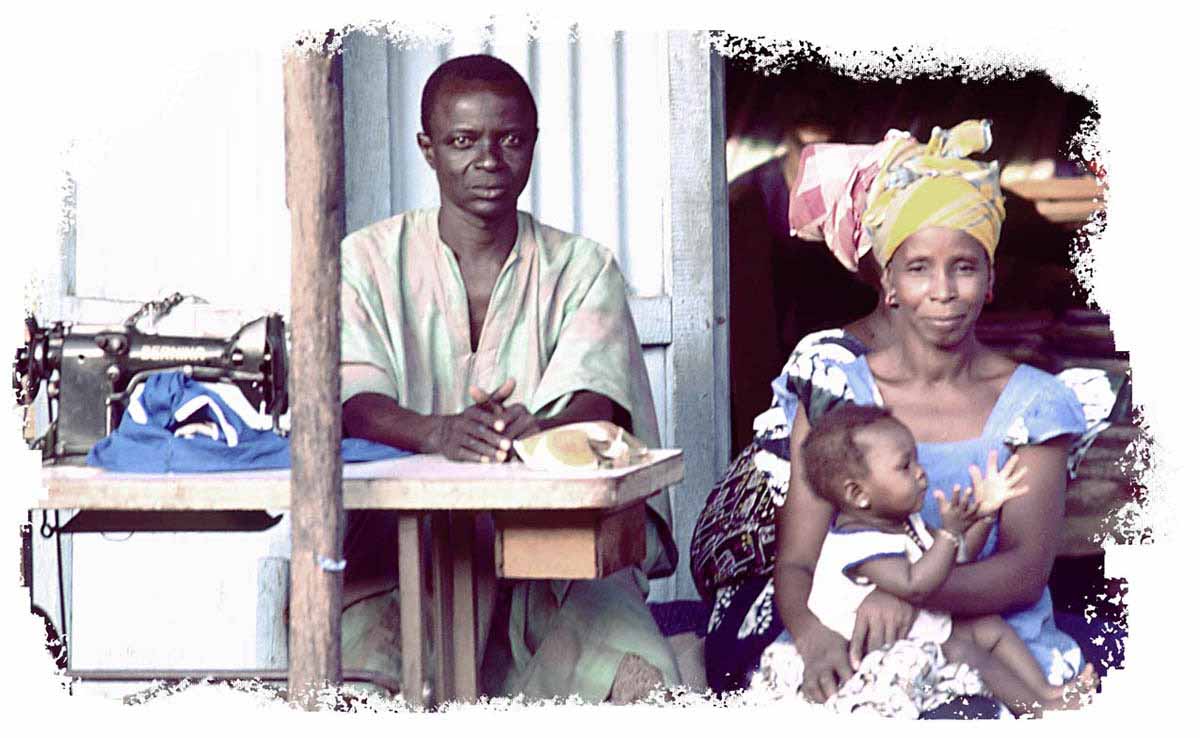
Dawda, the Tailor

Ch-19-RGB 2From: Tubob: Two Years in West Africa with the Peace Corps

The only place we could buy ready-made clothes was in The Gambia’s capitol city, Banjul, so most of my dresses were made to order at nearby Basse. Because of the heat, I preferred loose-fitting dresses and our local tailors were adept at copying a dress pattern from another sample dress, taking measurements of my shoulders and the preferred dress length. I was impressed with the tailors. Interestingly, they always were men. They used foot-operated treadle machines as there was often no electricity in the market place.

Our favorite tailor, Dawda, set up his business at the Basse market, in front of a Mauritanian-owned fabric store. He happened to be the first tailor I went to with one of my friend’s dresses to use as a sample.

Dawda understood the concept of learning. He always had a spare chair next to him and often invited me to sit and we’d chat in Mandinka. At first he talked slowly so that I could understand and often gave me new words that I could use. He was a wonderful man and very skilled on his treadle sewing machine.

I had a large selection of thread sent from the States for Dawda and he was thrilled. The thread that tailors often used was quite breakable, so he was pleased to have strong polyester thread. He had a scrap of material left over from another project and one day while we chatted, he made a triangular head scarf for me, using his new thread.

By this time we could converse fluently and I asked him about a bulubah, a sort of robe, for my husband Bruce. His eyes lit up. “Most tubobs don’t even know what a bulubah is,” he said. We went into the fabric store together to find suitable fabric, something that would look good with Dawda’s wonderful machine embroidery.

The blue and gold garment would come down to Bruce’s ankles, with loose, flowing sleeves and would serve as a robe in the evenings. It would be my Christmas present to him.

Tourist season had started and would continue through February. We occasionally saw tubobs wandering around the market. They were usually so pale, Bruce and I jokingly referred to them as “cadavers.” Most of them arrived by the weekly boat Lady Chilel, slept onboard and were gone when the boat headed back downriver the next day.

A tourist couple stood by while Dawda and I talked. “Listen,” the woman said, “she’s talking their language.”

Dawda and my eyes locked. We totally ignored them.
Crossing Paths with Crossroads Africa

Ch-17-RGB 2

From: Tubob:Two Years in West Africa with the Peace Corps

A group of young people from the philanthropic group Crossroads Africa arrived in The Gambia, West Africa. Volunteers pay a sum of money to make a six-week trip like this. Their first destination had been Nigeria, but at the last minute they were denied visas, so the group came to The Gambia. It fell on USAID to design a worthwhile program for the fifty-eight volunteers, ten of whom would be assigned to our upriver village, Basse.

An officer with the Expanded Program of Immunization of The Gambia stopped by on Tuesday and asked me if I would go with the group to the large Serahule village of Garawol on Wednesday to help them with immunizations. I accepted, pleased to be asked.

Working with the Crossroads peope at Garawol was an interesting experience for me. As usual, we first called on the Alkala, the village chief, and then proceeded to immunize the children against polio.

The following Thursday I had a chance to again work with the Crossroads people, this time on a Nutrition Survey. They conducted what they called a “random survey.” It gave me a new understanding of “random.” If I were to pick apples randomly, I would select one here, one there. But the scientific term, in this case, meant to begin with a selected village, then, as protocol demands, go to the Alkala’s compound, explaining our mission to him. We began with his children by weighing, measuring for height, and measuring the upper arm, a good measuring place to detect malnourishment.

Next came the random part. The group leader took out a one-dalasi bill and read the last serial number. If the number was between one and four, it was used as the basis; if not, one worked backwards until a number between one and four was found. Then, facing east toward Mecca and working clockwise, number one was east, number two south, number three west, number four north. After leaving the Alkala’s compound, the group followed the number going the direction as dictated by the number on the dalasi. Then, the next number on the dalasi determines where you stop. If it was a three, the group stopped at the third compound and took the measurements of the children there. We continued to follow this formula, eventually getting the measurements of thirty children. The word “random” will forever have that memory for me.

The reason for the random survey is that it’s so easy to be swayed. People see malnourished children and take their measurements to confirm their suspicions, or see healthy children and want to “reward” the parents by measuring those children. The random survey produces a fair sampling without local influences.

I found the Crossroads Africa workers a nice group of young people, hard working and goal oriented. They performed a worthwhile service to their host country.

Review: The Heart Trilogy

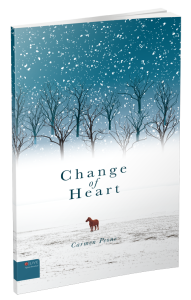
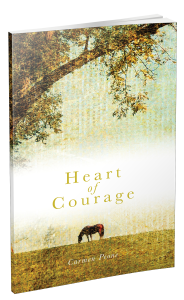
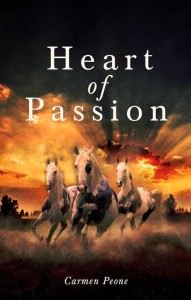
In The Heart Trilogy, Carmen Peone has skillfully created three novels about a Native girl in the emerging American West. Filled with heart and compassion, the character Spupaleena grows in skill, knowledge, leadership, and in her relationship with her newly found Christian God.

Change of Heart


Change of Heart

When Spupaleena, 13, runs away from her Arrow Lakes pit home near Eastern Washington’s Columbia River, she escapes from more than a bossy big sister. But she doesn’t consider the difficulty of traveling by foot in the dead of winter. Change of Heart is a story of survival, compassion, love and enduring faith.


Heart of Courage


Heart of Courage

Spupaleena,16,dreams of breeding and racing horses. Although her father is against her pursuing this male-dominated sport, Spupaleena feels that God has put into her heart the love of horses and that she is fulfilling her destiny. She receives a gift of a four year-old Tobiano stud colt that is ready to ride and a perfect match for Spupaleena’s enthusiasm and skill. Heart of Courage is a story of a girl determined to fulfill her destiny.


Heart of Passion

Heart of Passion

Spupaleena, now in her late teens, has built a stable of powerful race horses. Her team of relay racers are consistent winners, much to the chagrin of a vengeful boy. Passionate about her vocation, Spupaleena overcomes many obstacles, including both human and horse injuries. She turns to God for direction in how to handle her enemy, this boy who is determined to see her fail. Heart of Passion is a story of compassion, faith and determination.


Carmen Peone has written an engaging trilogy steeped in Native American and religious culture. She lives on the Colville Confederated Indian Reservation and has studied the language and customs of her husband’s people, the Sinyekst. With her American Paint horses she has competed in local Extreme Trail Challenges. It’s no wonder The Heart Trilogy rings true with knowledge and authority. For more information about the author, visit www.CarmenPeone.com

Book Review: Wild

WildTP_Books-330 (1)


I love a title with more than one meaning. In this case. Wild can refer to the idea of hiking more than a thousand miles of the 2,663 mile Pacific Crest Trail, the wild trail itself, and even to the author, particularly in her former life. Wild by Cheryl Strayed is well named.

When Cheryl Strayed contemplated hiking the Pacific Crest Trail (PCT) she had no idea of the magnitude of her impulsive decision. She was totally unprepared for this rugged endeavor. She had researched the trail a bit, inquired and shopped for equipment at REI, and bought a trail guide. But she hadn’t done any preliminary back-packing to test her equipment, nor to build up her stamina. Indeed, she’d never backpacked at all, only day-hiked.

She starts her journey at the south end of the trail, near the Mexican border. She actually packs her backpack for the first time in the motel room the morning she is to begin her journey. She can barely lift it off the floor. She soon learns that her boots don’t fit her correctly, a mistake that plagues her during the entire trip. When she encounters snow and ice, she’s woefully unprepared and under equipped. Although she has arranged to have relief packages mailed to herself along the way, she underestimated the amount of money she’d need.

Still, over the next several weeks she strives on, overcomes fear and struggles through pain and extreme exhaustion. Her daily mileage is at first pathetic, but she eventually achieves an impressive 17 to 19 miles per day. Strayed’s appreciation of the beauty around her bolsters her morale. Her intention is to achieve this ambitious feat alone and for the most part, she is alone, though she encounters a few people along the way. She gains a reputation among other hikers and is dubbed “Queen of the PCT.”

Strayed skillfully includes flashbacks of her life, many of which directly relate to the purpose of this seemingly insurmountable quest.

Coming from a “hippy” background, Strayed’s sense of values will undoubtably differ from many readers, perhaps even to an irritating degree, but her sense of achievement and dedication to her goal will inspire and resonate with many readers. The author’s writing style sparkles with vivid descriptions and humor as this incredible journey unfolds against all odds. To learn more about the author, visit www.CherylStrayed.com


It Takes a Village

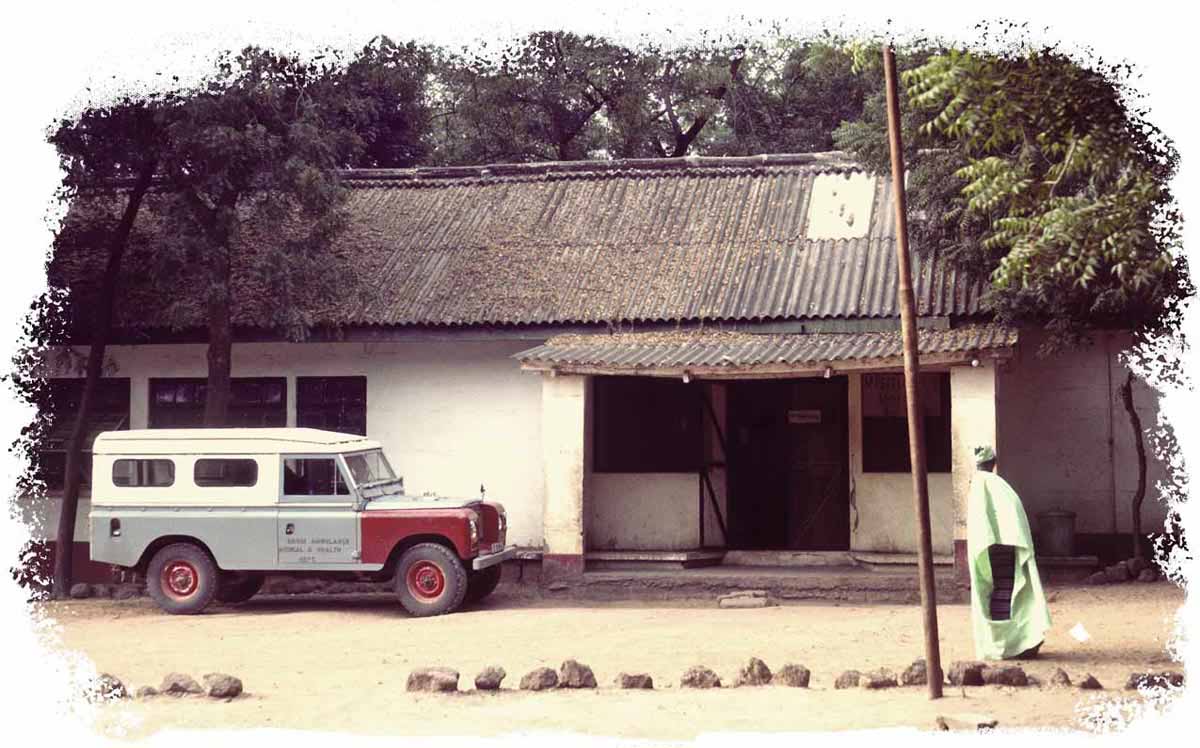
Basse Health Center

Basse Health Center

From: Tubob: Two Years in West Africa with the Peace Corps

In my quest to line up in-service training speakers for the auxiliary nurses at the Basse Health Center in The Gambia, I found many helpful agencies in our village.

Once I went with my husband Bruce to the hydro-meteorological office, a weather monitoring station, so that Bruce could use their short-wave radio to call Yundum headquarters to order, or try to order, necessary supplies. The hydro-met supervisor, happy with our interest in his work, showed us around. They measured rainfall, when it infrequently happened, evaporation and temperature. They had about 15 different thermometers, some measuring air temperature, soil surface temperatures, and several at various depths in the soil. We were surprised to see that it was 85 degrees four feet underground. No wonder our well water felt so warm.

Another day I encountered a policeman on my way to market and asked if I could visit the police station. Delighted with my request, he showed me around. Stepping inside, the two desks were stacked with papers. The room itself was relatively comfortable with ceiling fans. Since he currently had no prisoners, he asked if I would like to see the jail. I agreed and he opened a heavy door to a dingy, hot, stuffy room with four cells. The place smelled of urine and sweat. If there was ever an incentive to stay on the right side of the law, that place was it.

The policeman took a long time with me, discussing his various duties. As I left, he said, “Mariama, if you ever have trouble, come to see me. I will take care of it.” I didn’t doubt him for a minute.

The Catholic Relief Services was pleased to be asked to speak at my in-service training program. CRS’ main goals are to provide emergency relief, long-term development, particularly in agriculture, and health care education. They were good about gearing their talk to make it clear they were supplementing the Health Center services, not acting as competition.

I also called on Planned Parenthood to invite them to speak at our in-service program. . Apparently Muslims had no problem with Planned Parenthood, though abstinence didn’t seem to go over well. They were okay with the women taking “the pill,” but with the supply chain being chancy, it sometimes caused more problems than it solved. The tubob I spoke with said that in one case, many women in a village had taken the pill, but when the supply ran out, most of them became pregnant, all in the same month! Planned Parenthood was mostly concerned with the mothers’ health after multiple births in relatively few years.

These various groups added to the auxiliary nurses’ knowledge of health agencies available in the Basse area. Learning about the various agencies helped me to understand how The Gambia worked and what it took to manage the well-being of a community. There were other groups, too, such as the Chinese agriculture team who helped teach Gambians how to grow rice, and various missionary groups.

I was pleased with the reception I received from the various agencies operating for the welfare of the Basse area. I found the spirit of cooperation encouraging. Together we could strive toward making a difference.

A Two-Horse Mining Town

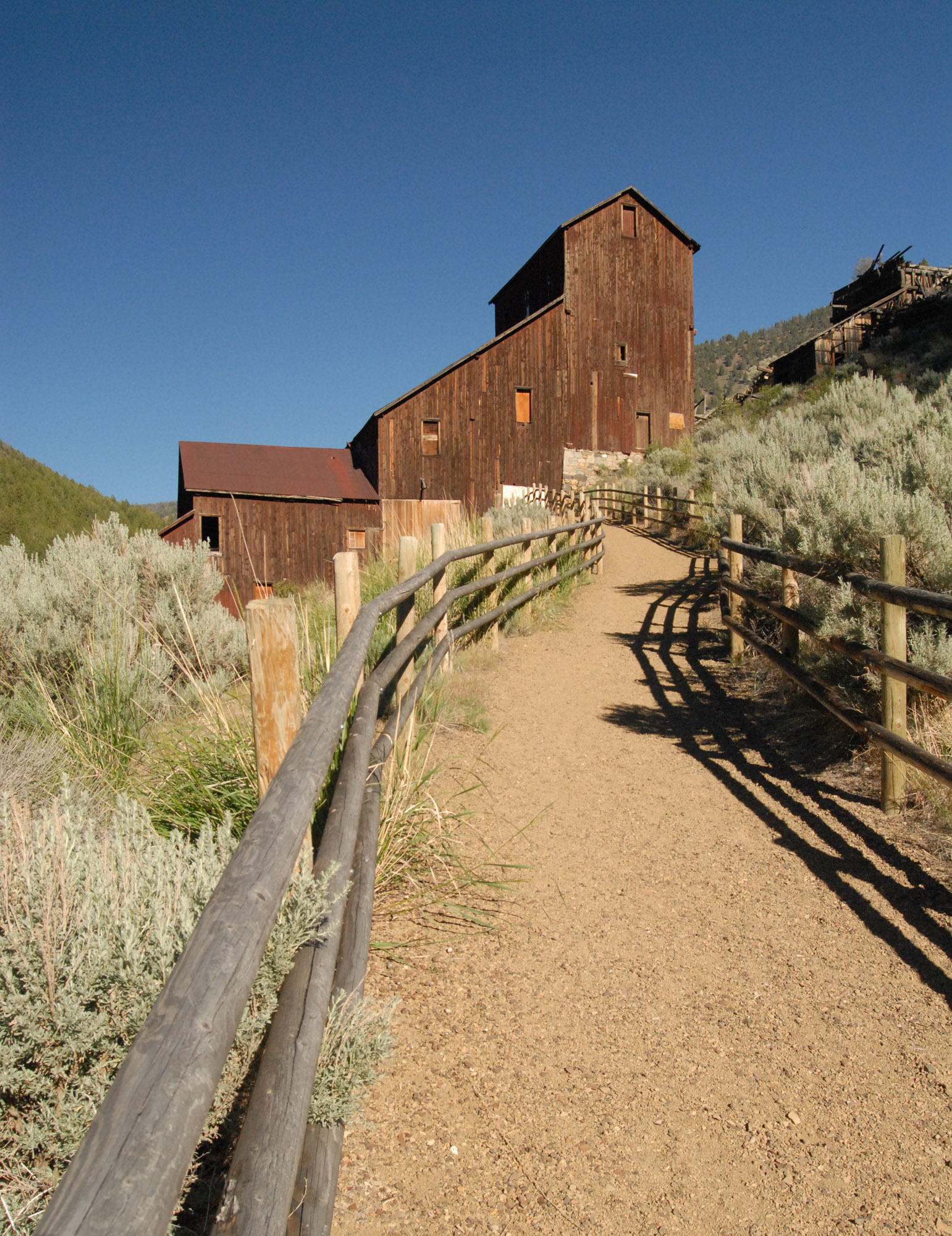
Bayhorse
In 1864, two prospectors met a man with two bay horses, horses with hair coat color characterized by a reddish brown body and black mane and tail. The man told the prospectors of a rich mining ground he’d seen. Eventually the site was found and the name Bayhorse given to the creek, town and mining district.

Bayhorse, now a ghost town in central Idaho’s Custer County, is a fun and informative place to experience a fascinating part of Idaho’s mining heritage. Nestled in a narrow, rocky canyon about three miles from where Bayhorse Creek enters the Salmon River, the old mining town was at one time a rich silver and copper producing ground, but now its richness is in its history.

Early residents must have developed strong climbing muscles. Although the trails are well maintained, it takes a little effort to navigate the steep paths to view the interesting nooks and crannies. Go ahead: Stop to rest while looking at the breath-taking view of lush hills covered with aspen and Ponderosa pine.

Informative signage gives visitors the flavor of those long-ago days when, in the early 1870s, a rich vein of silver was discovered. Soon a smelter, mill and eventually a town of 300 sprang up around the steep rocky slope. Before families came, the area was a tough place with lots of whiskey consumed. With the presence of wives and children, the drinking was cut down considerably and it became a much more peaceful, civilized community.

With the success of the smelter, the town grew and businesses thrived. People flocked to the area, including mining engineers, miners, stone masons, loggers, merchants, mill men, businessmen, doctors, cooks and laundrymen. The town included several saloons, meat markets, general stores and boardinghouses. The majority of the buildings were made of wood with local stone foundations. Some of these old buildings still stand.

The Bayhorse Mill is the dominant structure of the site. The multi-level mill was built on a hill in descending stair-step levels. It relied on gravity to move the rock through the mill and used water to wash the pulverized rock through the millworks. From there the ore moved across sluice boxes, to settling tanks, and finally to the concentrating tables at the bottom of the mill.

During Bayhorse’s most productive years, 1882 through the 1890s, ten million dollars worth of metals–silver, gold, copper and lead–were extracted from the region. By the turn of the century only a handful of miners remained. In the end, nearly 100,000 tons of ore was pulled from the mountains, leaving more than 25,000 tons of tailings and mine waste. Eventually, devastating fires, dwindling reserves of high grade ore and failing silver prices doomed the town’s existence.

An intriguing stone building, locally called the Wells Fargo Building, is one of the more intact standing buildings. It was possibly named after the design of early Wells Fargo buildings. Although its use is unknown, the sturdy building was possibly used to store bullion before it was transported.

The construction of nine charcoal kilns in 1882 saved transportation costs and created jobs. The conical “beehive” construction needed no bracing and was built of native stone. The kilns were easy and cheap to build and were strong enough to endure the operation’s low heat requirement. More men were required to cut and supply wood for the kilns than to actually operate them. In total, it took 48 men to supply wood and operate the kilns to produce the charcoal to keep the smelter operating. The kilns were abandoned in 1895 and coke was shipped in from Ketchum, ID to operate the smelter.

Transportation was a big problem from the early days around 1870 through the early 1900s. The remoteness and difficulty getting the product out of the area for processing made it almost impossible for the small claim owner to survive. Snow-blocked passes made winter travel impossible. The closest railhead in Blackfoot, Idaho was 375 rough and dangerous miles away. By the time the product was delivered to its destination, the minors often spent more for transportation than they took from the rich earth.

Bayhorse is a part of Idaho’s State Park system and there is a $5 entrance fee. Although there is no overnight camping, the spacious parking lot can easily accommodate RVs. Further up the road, there are a few small campgrounds with no water. We stayed at nearby Bayhorse Campground, managed by the Bureau of Land Management, a nice little place with 14 campsites suitable for RVs, available water and pit toilets. The campground is near the town of Challis, Custer County seat.

To get to Bayhorse mining town: From Idaho Highway 75, between Challis and Stanley, just east of milepost 236, cross a one-lane bridge and you’ll see the signs to Bayhorse.

Practicing a New Language

Ch-6-RGB 2

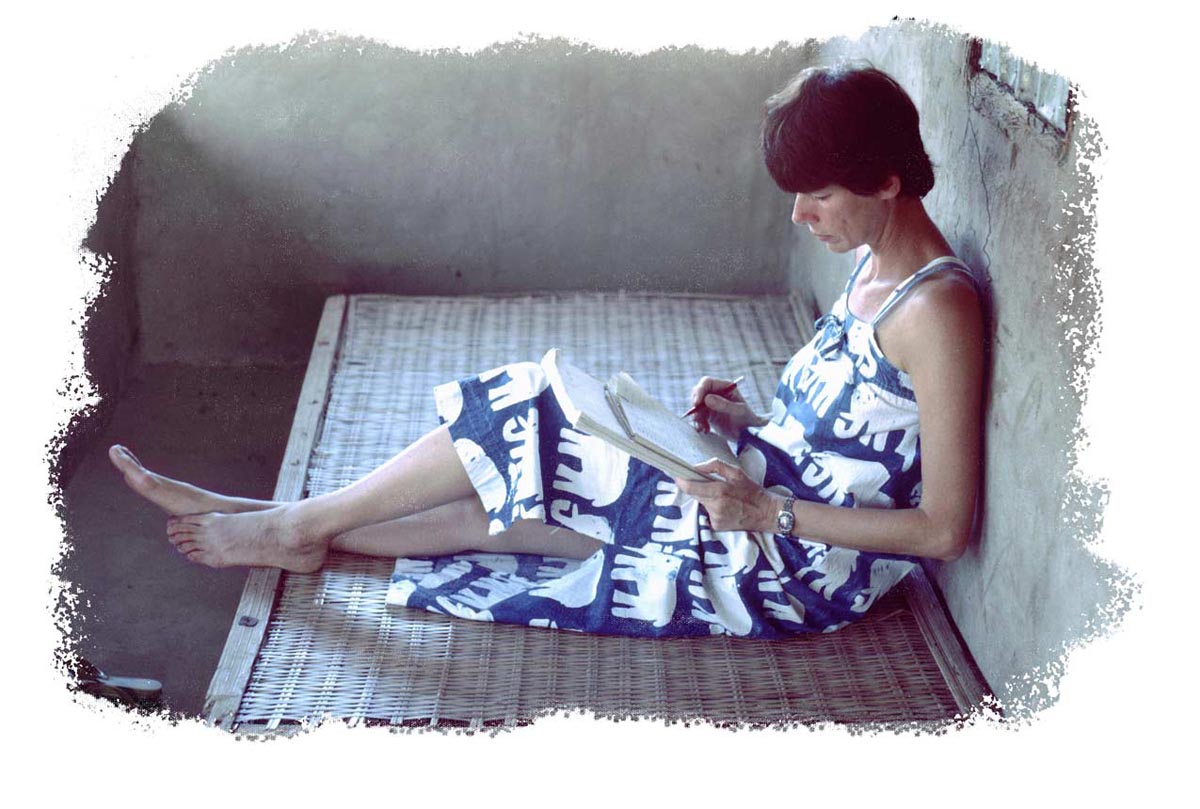
Mary (Mariama) studying Mankinda

From: Tubob: Two Years in West Africa with the Peace Corps

Although it was supposed to be the rainy season, it didn’t last. We’d had a few “frog stranglers” as Bruce called them, but not nearly enough to get many of the local crops toward healthy growth.

After work one afternoon, as I made my way home I came across a man, also walking toward his village. We exchanged greetings and walked together.

The dirt path wound through a field of thin, withering millet. Although this staple grain towered above our heads, it wouldn’t produce much this year.

“This field is dry,” I commented in Mandinka. My walking companion nodded, his black face glistening with sweat. “Yes, we need more rain.”

Although the nights had been cool, daytime temperatures were again climbing. I tried not to think about the heat, now soaring close to 100 degrees. My dress stuck to my back, the long skirt caught at my legs. “It’s too bad we can’t get … water …” I groped for the correct word.

He prompted the Mandinka word for irrigation. “It is too far from the river to irrigate, Mariama.”

We stopped at a snake’s twisting track, its thick impression in the sandy soil still fresh. The Gambian held out his arm, holding me back until he determined we were out of harm’s way.

We resumed our trek. The trail narrowed and I automatically stepped behind my companion. “Couldn’t water from the river be piped in?”

“But how? Irrigation systems need motors and fuel and they are expensive.”

We reached a fork in the footpath. From the village to the right, pungent smoke from cooking fires greeted us. Voices and laughter drifted from behind woven fences.

My new friend gestured to the right. “I will go this way now.”

“Yes. Thank you for walking with me.”

“Mariama,” he called over his shoulder. “Your Mandinka is very good.”

Highly complimented, it was only then I realized my entire conversation had been in Mandinka; his had been in English. Without my realizing it, we had been practicing each other’s language.

Book Review: A Dog Named Boo

A-Dog-Named-Boo-SmallA Dog Named Boo:The Underdog with a Heart of Gold by Lisa J. Edwards is a moving account of a dog’s achievement despite his many disabilities, or perhaps because of them.

Lisa J. Edwards, a full time professional dog trainer and behavioral consultant, meets her match when she and her husband Lawrence adopt a dog they called Boo. As a dyslectic, Lisa suffers with learning disabilities as well as physical limitations. In addition, Lisa carriies emotional scars stemming from her childhood.

On a quick errand, Lisa encounters a box of puppies for sale. The runt of the litter, Boo is picked on by his siblings and it’s unlikely he’ll ever be adopted. But somehow a chord is struck between Lisa and the pup and she can’t resist taking him home.

Boo is a challenge from the beginning–it takes an entire year to potty train him. In puppy classes, he doesn’t respond to basic commands, which prove difficult and embarrassing for Lisa: a dog trainer who can’t train her own dog.

Still Lisa persists. She puts into practice her belief in gentle and effective positive reinforcement dog training, always reinforcing the good things and looking beyond the negative. Lisa learns that Boo actually has learning disabilities, physical limitations with vision problems and awkward motor skills. Still, in working with him, she finds talents that make Boo an exceptional therapy dog. Together they achieve
heights Lisa never dreamed possible.

For a heart-warming treat, I recommend A Dog Named Boo: The Underdog with a Heart of Gold. You’ll learn about the philosophy of training a dog, about life itself, and the power of persistence and unconditional love.


An Assignment: Nutrition Counseling

Ch-11-RGB 2From: Tubob: Two Years in Africa with the Peace Corps

I have so often found that once I make up my mind to do something, or feel as though I should do something, a door opens to show the way. During that week’s Friday Well Baby Clinic, we saw several malnourished children. Two of them were so seriously endangered that Sister Roberts, the head nurse, admitted them to the hospital.

As Sister and I gathered our papers after a long session in which we saw about 350 children, she said, “Mariama,rather than go on trek to the outlying clinics with the team, what would you think about following up with the malnourished children, those we admit to the hospital? Talk to the mothers while they are here at the hospital with their children, then when they’re released, follow up at their villages?”

There it was. My chance. “Talk to them about nutrition? You bet! I’d love to do that. I could also follow up on the ones we see but don’t admit.” My mind whirled with the possibilities.

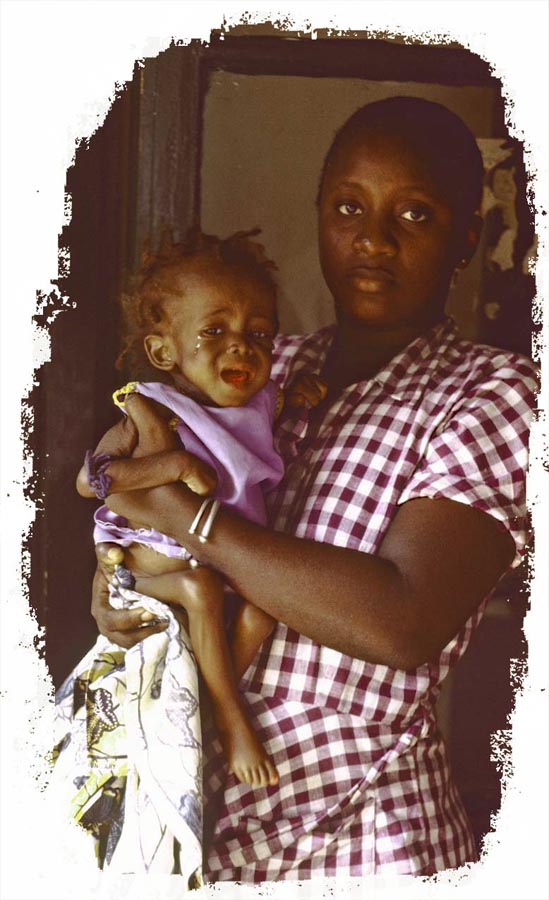
I had learned from my reading and then later saw for myself the terrible effects of malnutrition. Malnutrition often doesn’t come from poverty–food was usually available in The Gambia–but from lack of education. Two types of malnutrition commonly seen in The Gambia was kwashiorkor and marasmus. The kwashiorkor child eats enough, but it isn’t the right balance of food. For instance, he eats only starchy food. At first glance, he looks fat, but his muscles are thin, his skin dull and hair reddish. I saw a lot of kids who fit that description.

The marasmus child looks very thin, the typical starving-to-death look. This is often seen among those children who have been suddenly weaned. The child balks at regular food, or he gets diarrhea from an abruptly changing diet, weakens and dies.

Breast feeding is the norm in The Gambia. African women have great quantities of milk. Lack of mother’s milk is rarely a problem. Unfortunately they often breast fed exclusively for too long. Breast feeding is a wonderful, sanitary way to feed infants, but local practice was to breast feed until the child was two years old, or until the mother became pregnant, and the child then suddenly weaned. When offered regular food, the child often balked and quickly became malnourished. Unfortunately, this was not an uncommon scenario. The death rate between birth and five years at that time was 50 percent. This was a terrible statistic and the cause of death often avoidable. There were several reasons for a child’s death, but
due to sudden weaning was one of the most common.

I had my work cut out for me.

Today’s guest: Amy Hale Auker, Author of Winter of Beauty

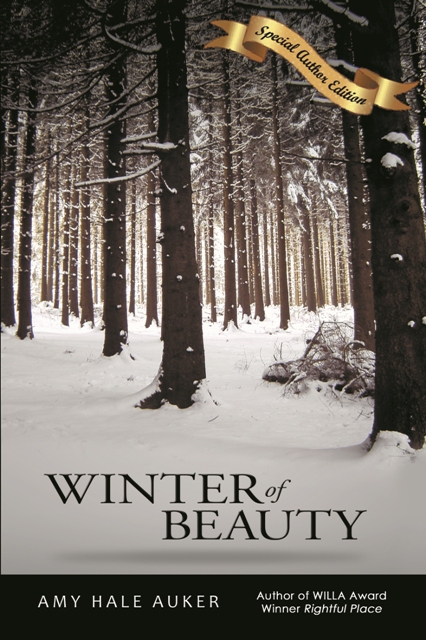
WinterOfBeautySAECover


Winter of Beauty by Amy Hale Auker brings readers right into the dust and grit of contemporary ranch life. Shiney, ranch owner since the death of her father, and Monte, the foreman, run a large ranch with the help of a handful of colorful characters, people I came to know and care about. Their motto seems to be “live and let live,” but when there’s trouble, each and everyone puts aside his or her own comfort to give a helping hand. Winter of Beauty is a fine, heart-felt novel of depth. Hale, an award-winning author, knows what she’s talking about. She lives, works, and writes on a large ranch in Arizona where her husband is foreman.

Today, my guest is the author of Winter of Beauty, Amy Hale Auker. Welcome, Amy. Please share your writing philosophy to give us some insight into how you perceive your writing experience.

Amy Hale Auker:
I found out a hard truth about myself in 2006. I found out that while I can write and I love writing, I am terrible at waiting for a manuscript to be published. I am impossible to live with while going through the long slow slog of seeing a book come into print. (And I was great at being pregnant, so go figure!)

When my new husband and I were first together, I was waiting on my first book to go through the academic review process at a university press. The glacial pace was driving me crazy. He suggested that (duh) I write something new. He commented, “I read to be entertained. Go look at our shelves.” We had just combined libraries and we had duplicate copies of several much loved books. I did my survey on a snowy afternoon, and I still remember the light filtering in through the windows. What I found on our shelves were… novels. Fiction. Volume after volume of fiction. Some great, some not so great. So I set out to write a novel. And I did! I wrote a novel called “The Story is the Thing.” “Story” has not found a home yet, but I was hooked. I was hooked on the idea of writing characters who could do and say anything I needed them to, and often, took over the story to say and do what they wanted!

Immediately upon finishing the third or fourth draft of “Story,” I started writing “Winter of Beauty.” I did not know what “Beauty” was going to become, but I knew that I wanted certain elements in it. I wanted the mountain, the land, to be a character in the book. I wanted to explore the idea of belonging. I wanted to write Jody Neil and Delbert Lincoln’s relationship. I wanted to bring Sunshine Angel Lewis to life. I wanted to explore an issue that every novelist encounters: names. The idea of giving characters names and how that shapes them. The first draft of “Winter of Beauty” was terrible. With this book I learned the power of the rewrite. I learned the craft of weaving plot and characters together. I learned the value of research and outside voices to augment authenticity. I learned that I can cut characters completely out and promise them a book of their own. I learned that not everything has to be wrapped up neatly and tied with a bow.

I learned that shifting gears between essays and fiction and poetry is therapeutic, like cross-training is for an athlete.

I learned that I can’t not write.

Thank you, Amy. After reading Winter of Beauty, it’s clear to me that your writing is a passion fulfilled.

Winter of Beauty will be officially released October 15 and available through regular book channels. In the meantime, a Special Author Edition is available through Amy Hale Auker’s website: http://amyhaleauker.com/.