Book Review: The Lindbergh Nanny

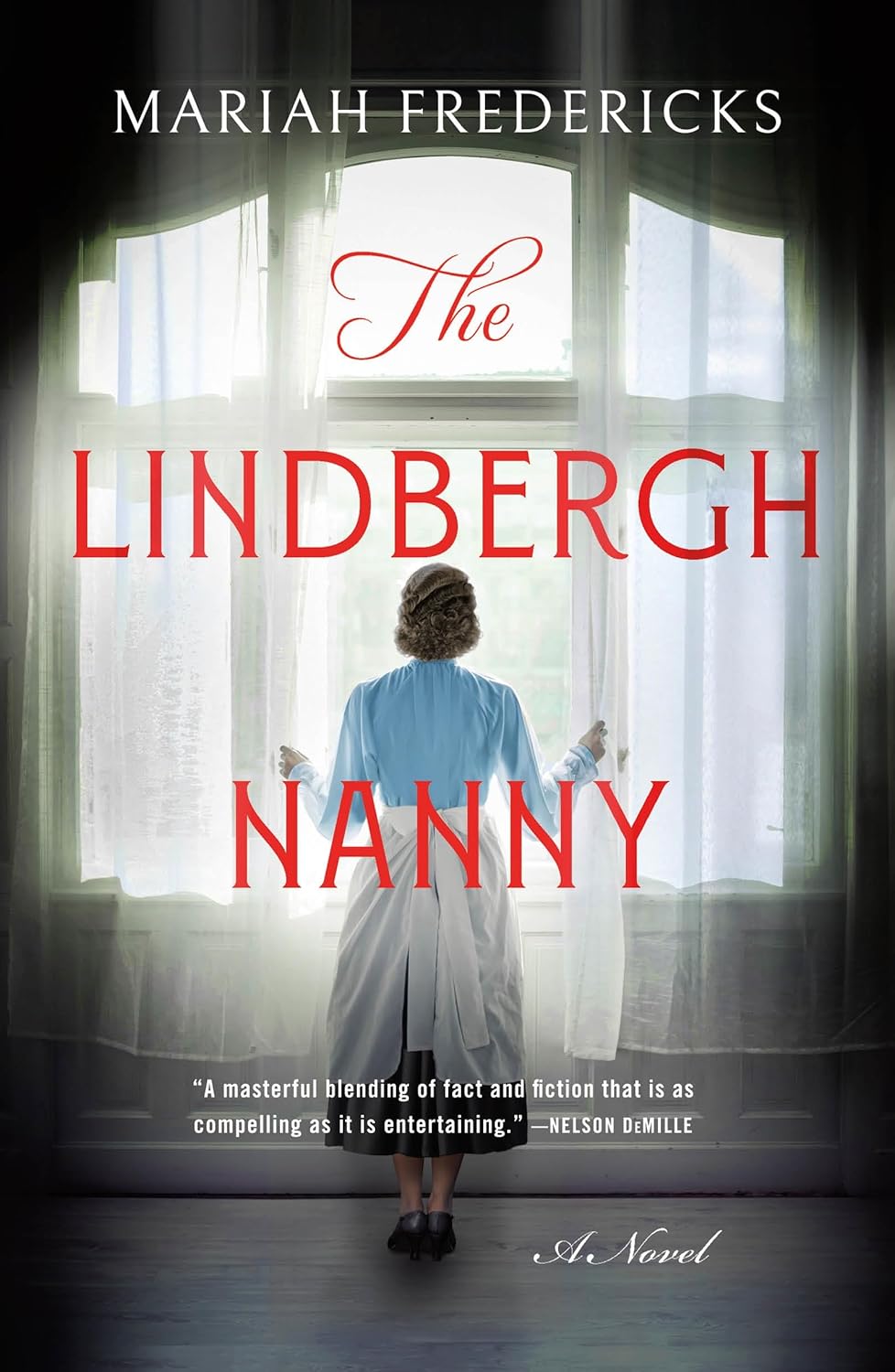
The Lindbergh Nanny, a gripping novel by Mariah Fredericks, delves into America’s most notorious kidnapping.

Charles Lindbergh was a national hero after setting a record in 1927 by flying 33 hours straight from New York to Paris, alone aboard his plane,The Spirit of Saint Louis. The custom-built, single-engine, single-seat, high-wing monoplane carried nothing aboard but the pilot, sandwiches and a compass. Now, in 1931, Charles and his lovely wife, wealthy Anne Morrow Lindbergh, sought care for their infant son, Charlie, so that they could occasionally travel.

Betty Gow, a Scottish immigrant, was hired as Charlie’s nanny. Betty loved the little boy’s sweet nature, and admired how quickly he learned new skills. She found Charlie’s father eccentric. He had many rules concerning his son. The little boy was not to be coddled. No one was to rush to him when he cried, that it was best to let him “work it out.” When put to bed at 7:00 he was to be left alone, only to be checked on at 10:00 p.m. Mrs. Lindbergh was friendly and kind, but nervous. But the Lindberghs had confidence in Betty and seemed pleased with her care of Charlie.

On the evening of March 1, 1932, at 10:00, Betty went to check on Charlie, now 20 months old. He’d had a cold and she wanted to make sure he was properly covered. But his bed was empty. He was gone! Betty was shocked and heartbroken. But as the investigation dragged on, she was questioned at length and felt herself under suspicion in the eyes of the media and the public. Betty fought to clear her own name and to find justice for the child she loved.

The Lindbergh Nanny is an elegant novel. I’d heard of the kidnapping, but had never known the details. Although the novel is based on both fact and fiction, it is quite accurate as to the main details of the grisly event. I found it interesting, too, to learn how the very wealthy lived during that time. It was a world of nannies, parlormaids, footmen, gardeners, private secretaries, laundresses, drivers, cooks, and kitchen maids. I found the author’s comments at the end of the novel interesting and admire her ability to combine fact and fiction to create this intriguing story.
Book Review: A Spark of Light

A Spark of Light, a contemporary novel by Jodi Picoult, takes place in Mississippi.

Wren McElroy, fifteen, has a boyfriend. Although she is a virgin, you never know what might happen on a date. She asks her Aunt Bix to go with her to The Center for Women and Reproductive Health for birth control pills.

It’s tough getting through the line of anti-abortion people, but they manage to get inside. There are a few women waiting. Most of them are probably there for abortion information or for the procedure.

Suddenly a distraught gunman bursts in and opens fire, instantly killing the woman at the reception counter, and wounding others, including the doctor.

Detective Lieutenant Hugh McElroy, a police hostage negotiator, and Wren’s single dad, is called to the scene. He sets up a perimeter and begins his strategy to communicate with the shooter. His phone vibrates with incoming messages, and Hugh notices that one of the calls is from his daughter. To his horror, he learns that Wren and his sister, Bix, are in the clinic.

As the story progresses, we learn about some of those who have been taken hostage, and what it was that brought them to the clinic. Even the distraught shooter has his tragic reason for being there. No matter what brought the various people to the clinic, it appears they are all in grave danger.

Jodi Picoult is a master in bringing to life this very disturbing scenario. She explains the difference between an embryo (the initial stage of development) and a fetus (the term used from the ninth week of pregnancy until birth). Through story, she discusses the various attitudes about decisions to perform abortion. She talks about women and their rights concerning reproduction. How do we balance the rights of pregnant women with the rights of the unborn they carry? While pro-life protesters are protecting the rights of the fetus, who is protecting the rights of women, or in some cases, young girls? No matter how we feel about abortion, this novel brings to light the various complex issues involved.

Book Review: The Language of Hoofbeats

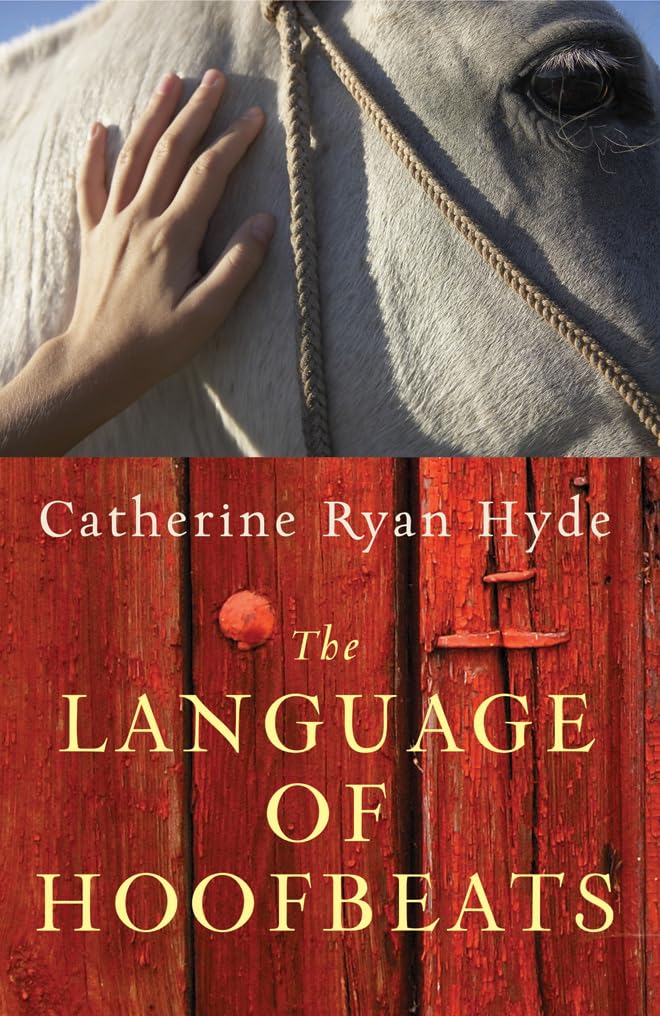
The Language of Hoofbeats, a contemporary novel by Catherine Ryan Hyde, takes place in the fictitious small town of Easley in central California.

Paula, a large animal vet, and her wife, Jackie arrive at their rental house with their adopted son Quinn, eight, and two foster kids, Armando, thirteen, and Star, fifteen, a difficult, troubled girl. Paula is taking over the practice of a retiring veterinarian.

Almost immediately after they move into their new home, Star spots a horse in a small paddock across the street. Uninvited, she wanders over to the neighbor’s to visit the horse. The owner, Clementine, goes into a rage with this “intruder.” Clementine, known for her hostile attitude, lets her disapproval of the neighbors’ lifestyle be known. She has always been a difficult woman, but is more so after her daughter’s death. The horse had been her daughter’s and since her death, the horse has been confined in this small space, is fed but not exercised nor given routine care. Even though she doesn’t do justice to the spirited horse, Clementine resents Star bonding with it.

When Star disappears with the horse, everyone is alarmed. Paula and Jackie, concerned about their foster daughter’s safety, are also concerned about the legal consequences of Star’s actions. Clementine, outraged, calls the sheriff, and the search is on. In their joint concern, the neighbors are thrust together, a situation difficult for all.

The Language of Hoofbeats explores intricate relationships of family and how they relate to others. Everyone has a story, and the blend of these stories is how relationships are formed. But not all relationships are ideal, and overcoming differences can be difficult.

I loved this novel. I’m always impressed with Catherine Ryan Hyde’s knowledge of the subjects she writes about, and how she can show emotions such as joy, bitterness, fear, love, and hatred, so believably. The Language of Hoofbeats is yet another excellent novel. It’s hard to say, but maybe my favorite one.

Book Review: Land of Dreams

Land of Dreams, a frontier historical novel by Lauraine Snelling is Book 1 of “Home to Green Creek” series. The story takes place in Iowa, 1889.

The sea voyage from Norway to America was a nightmare. A cholera epidemic aboard ship took many lives, including Amalia Gunderson’s parents. Also stricken were the parents of five-year-old Ruth. On her death bed, Ruth’s mother asks fellow passenger Amalia to be Ruth’s legal guardian and insists that the ship’s captain draw up papers. Ruth’s parents had planned to run a boarding house they’d inherited, but with their death Amalia would be little Ruth’s guardian, and run the boarding house until Ruth comes of age. It was a lot to ask of twenty-year-old Amalia, but she bravely takes on the task, still reeling from the death of her own parents.

Once she arrives in America, Amalia and Ruth travel by train from New York to Iowa to claim the farm and former boardinghouse that Ruth inherited. They find the house badly in need of repair, and Zelda, a spiteful, difficult distant cousin, in residence. There are no boarders; in fact, Zelda had sold all the guestrooms’ bedroom furniture. Amalia has made a promise that she intends to keep, despite the lack of cooperation from mean-spirited Zelda.

Amalia makes friends with people from a neighboring farm, people who have taken in neglected stock from the boarding house property—horses, a cow with calf, and chickens that they now turn over to Amalia. Others began showing up: an orphan boy and his dog who have taken shelter wherever they could find it, a man who has been alone too long, a little boy whose mother died and whose father has left to find work. Those who can, put their skills to work in an effort to bring the boarding house back into operation.

Absalom Karlsson, the magistrate’s son, and in the final stages of becoming an attorney himself, is helpful to Amalia and gives her legal advice. Absalom is still deeply hurt over a former broken relationship and is leery of becoming involved again. They find a mutual attraction, but they both have obstacles to overcome.

Land of Dreams is an uplifting novel showing bravery and courage in the face of what at first seem hopeless. Resilience and faith are key to overcoming daunting trials. I’ve read and reviewed several novels by Lauraine Snelling, and she never disappoints. This first book of the “Home to Green Creek” series promises to be as successful as her previous work.

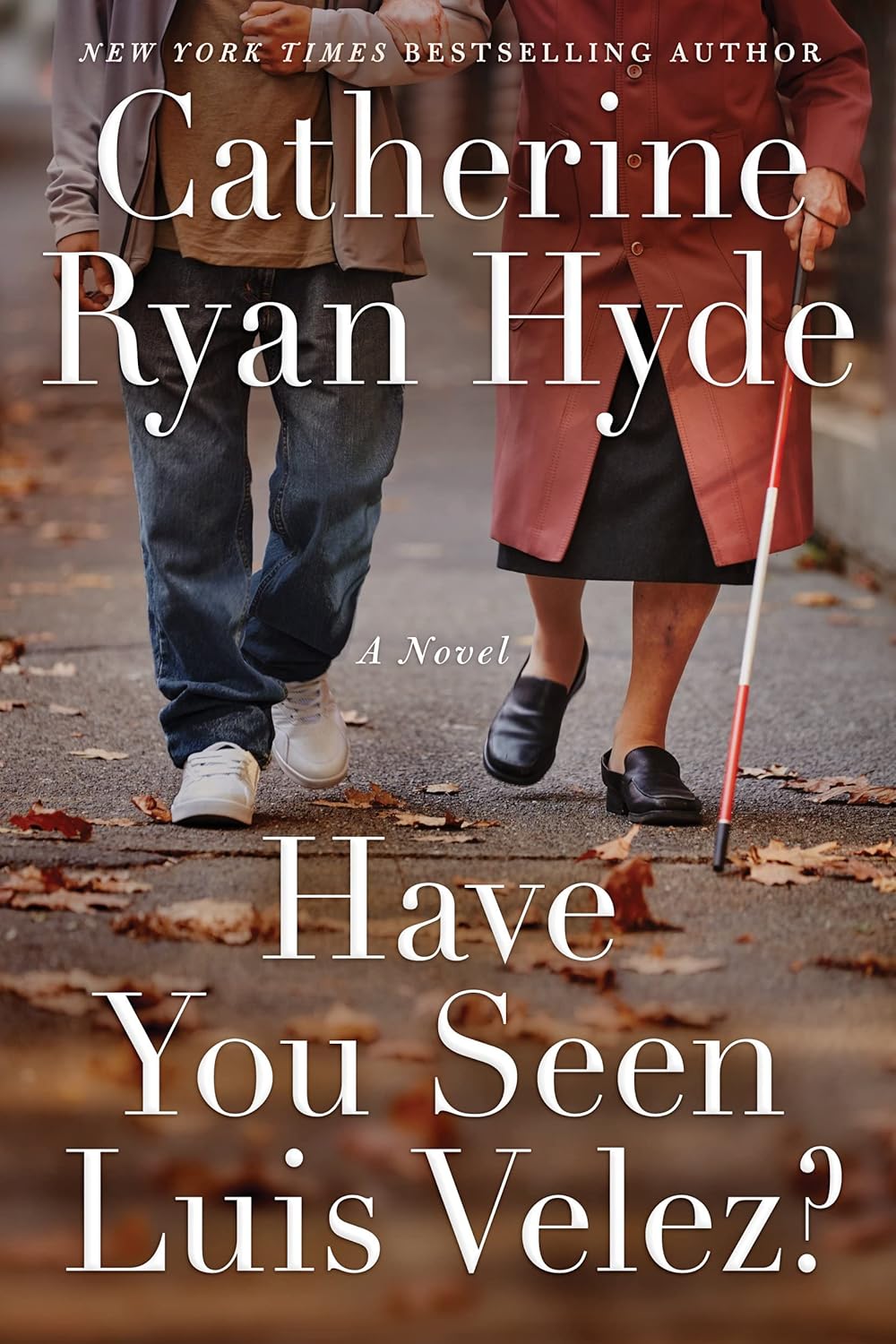
Book Review: Have You Seen Luis Velez?

“The only thing that hurts more than tears shed is tears unshed.”
——Have You Seen Luis Velez?

Have You Seen Luis Valez? by Catherine Ryan Hyde is a powerful story about kindness overcoming fear. The contemporary story takes place in New York.

Raymond Jaffe, almost seventeen, feels like he doesn’t belong, not with his parents, nor at school. His only friend from school is moving to California. Raymond lives with his mother and her husband and their three little girls. His dad has remarried, and although he gets along with his father, his father’s wife acts like it’s an imposition when he visits them every-other weekend. To make things even more complicated, Raymond is biracial—his mother is white, his father Black.

One day, as he is goes down the stairs from his apartment, an older woman calls out to him: “Have you seen Luis Velez?” He almost ignores her, but then feels compelled to approach her. She’s old, 92, and apparently blind.

Mildred Gutermann, a German Jew who narrowly escaped the Holocaust, lives alone. Her friend and helpmate, Luis Velez, has not shown up for weeks. He used to faithfully come to her apartment and take her to the bank and grocery store. Now, she is nearly out of food and is unable to navigate New York’s busy streets alone.

When Mildred hears Raymond’s footsteps down the hall, she calls out to him, asking if he’s seen her friend. Raymond hadn’t, nor does he even know Luis Velez, but his kind heart can’t refuse the chance to help her. What develops is a strong, rewarding friendship between the two.

While Raymond isn’t attending to Mildred’s needs, he’s determined to find out what happened to Luis Velez. In checking the phone book he discovers about twenty men with that name. One by one he tracks them down, determined to find Mildred’s friend. What develops is rich testimony to the kindness of strangers, but also the suspicious nature of some.

I loved this story of compassion. The unlikely friendship between this teenage boy and an old blind woman is heartwarming. I also enjoyed the vicarious visit to New York: getting around the huge city and dealing with the wide range of people who live there. Catherine Ryan Hyde is expert in deeply delving into the hearts of her characters, producing a rich sense of knowing them. Teens would enjoy this book, too, and many would relate to Raymond’s feelings of isolation.

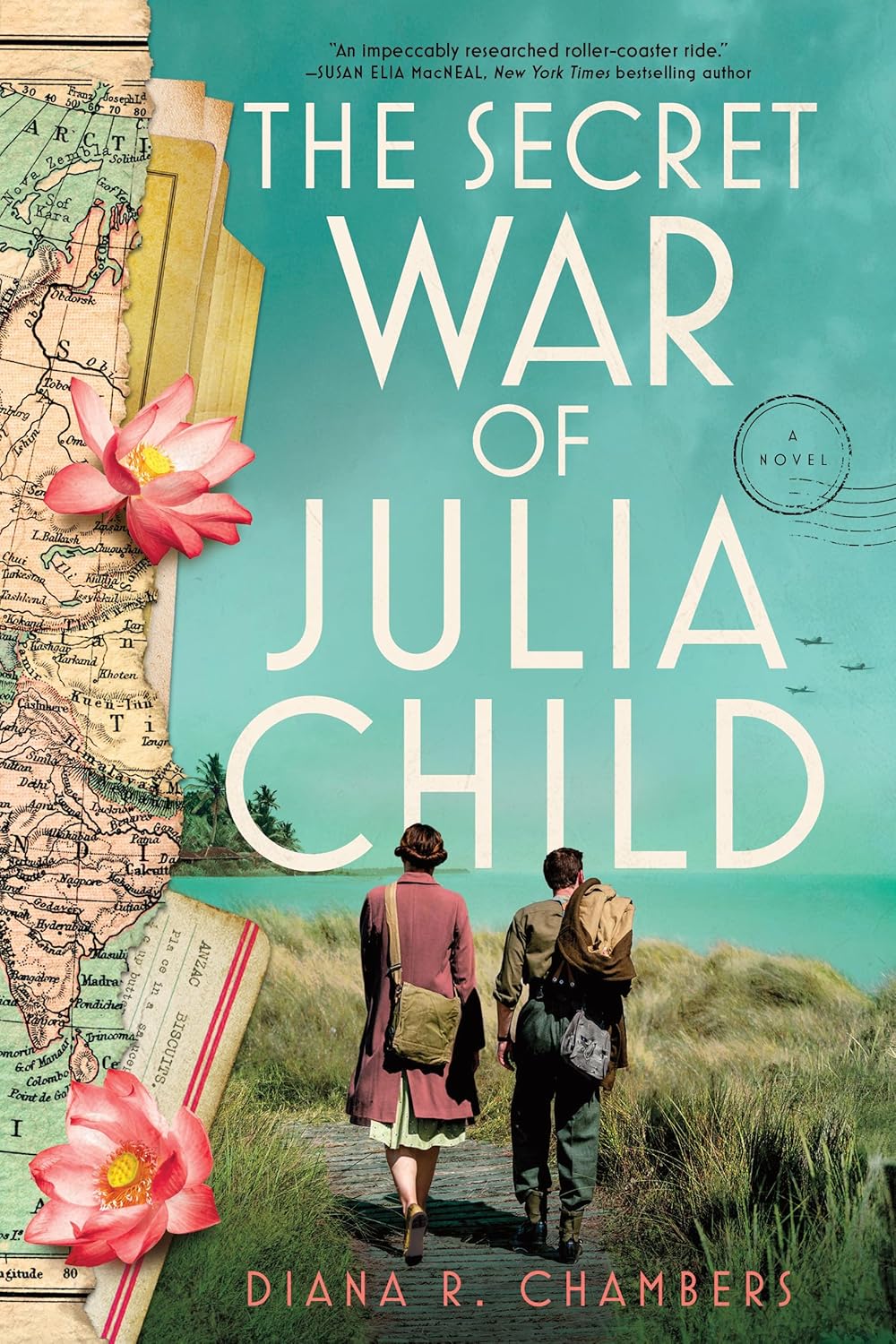
Book Review: The Secret War of Julia Child

The Secret War of Julia Child, a novel by Diana R. Chambers, is a lively story based, though embellished, on true events. This is a story about Julia Child long before she became known for her French cooking.

Julia McWilliams, a Pasadena, California blue blood, grew up in privilege and wealth. But she yearned for a life of adventure. And she found it.

This part of the story is based on actual facts: During World War II, Julia, then 32, wanted to be a part of the war effort. At 6 feet, 2 inches, she was denied joining the WAVES because she was too tall. She took a job working for America’s first espionage agency. As a Washington, DC file clerk she was promoted to General “Wild Bill” Donovan’s secret File Registry as part of the Office of Strategic Services (OSS), where she collected and analyzed top-secret intelligence. At the close of 1942, Child took up the position of junior research assistant with the Secret Intelligence Branch of the Office of Strategic Services, a forerunner to the CIA. She undertook a variety of positions at the OSS, including clerk at the director’s office and administrative assistant in the Registry of OSS. She also eagerly volunteered to work for OSS overseas. From 1944-1945, she kept intelligence files for the OSS in India. The following year, she worked for the organization in China.

In The Secret War of Julia Child, Julia’s wartime job entails overseas work in remote front lines, first in India, then later China where she finds purpose, adventure, and self-knowledge. Along the way, she meets Paul Child, a map maker. Her first impression of Paul was that he was rude, arrogant, thoughtless, and didn’t care about anyone but himself. Later she realized that he was totally engaged in his important work. Lives depended on the accuracy of his maps.

In carrying out her duties, Julia experiences many adventures, some extremely dangerous. She encounters Paul in many of her situations and their involvement gradually blossoms into love.

The Secret War of Julia Child is a fascinating story that smoothly blends facts with fiction. In the beginning of the book the author lists many acronyms our government uses, which I greatly appreciated. Much of the story rings true: war-time attitudes and conditions in India and China, and the important part the United States played in World War II overseas. I hadn’t known of Julia Child’s involvement in the war effort, and was impressed with her generally unknown past. The author has masterfully combined likely happenings with actual facts of WW II and Julia Child’s participation in it.

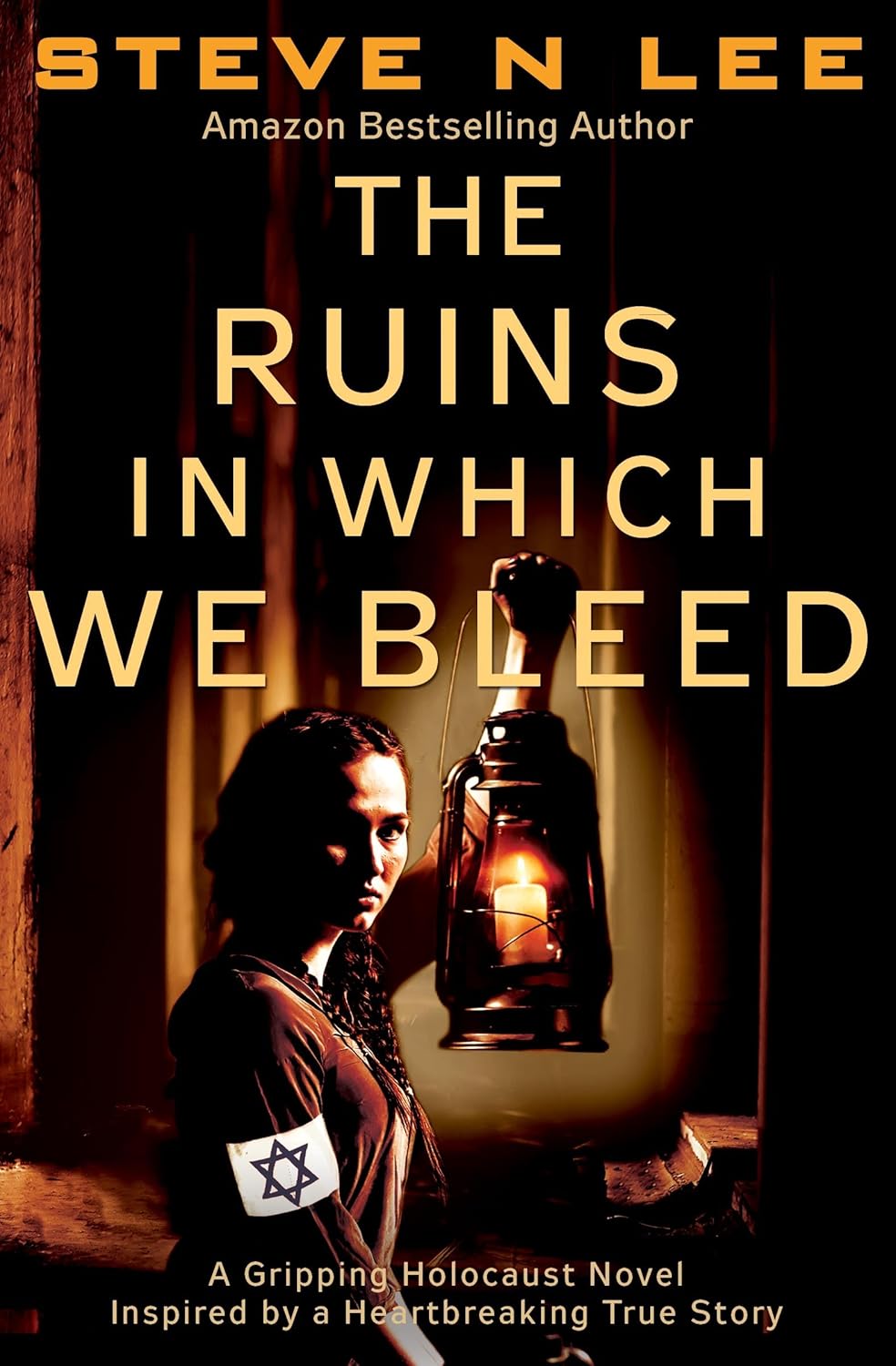
Book Review: The Ruins in Which We Bleed

The Ruins in Which We Bleed by Steve N. Lee, is the third book of the “World War II Historical Fiction” series. This particular account of struggle for survival was inspired by a previously untold true story.

The narrative begins in 1943 when Helena Silwicka turns sixteen. She lives with her parents and two brothers, one older, one younger. Following the 1939 Nazi invasion of Poland, Jewish families were forced to abandon their homes and were imprisoned in Warsaw ghettos. The Silwickas live in a crowded apartment with an aunt. The family witnesses horror after horror, must scavenge for food, and live in constant fear of Nazi cruelty. They do whatever is necessary to keep their family together.

Mere survival is a daily challenge. People are randomly killed in the streets, food is not only scarce but outrageously expensive. Many stores are off-limits to Jews. Schools are closed to Jews. Nazis consistently set homes and apartment buildings on fire, then round up the homeless, pack them into cattle cars and stuff them into trains. To where? There are so many unknowns. The family lives in constant fear— fear of separation, fear for their lives.

Helena makes a little money sewing armbands that all Jews are required to wear: a white armband affixed with a blue six-sided star, worn over the right upper sleeve of one’s outer garments.

When the unthinkable happens, Helena is thrown into an unimaginable situation. She fights on despite horror after horror threatening her mere survival. She tries to maintain a positive attitude, to show gratitude for seemingly inconsequential “gifts.”

The story toggles between 1940-1941 to 1943. This family’s struggle was typical for Jews under Nazi rule in Poland and Germany.

The Ruins in Which We Bleed is a well written story of the atrocities of war. There have been numerous accounts of this grim history, and the author does a good job of bringing this story of horror to light. This was a typical family, which he clearly shows. Lee’s descriptions of life during that time period is believable, as is his grasp of life under Nazi rule. It’s an enlightening story based on what we know to be true.

When reading accounts such as this, I wonder how Jews could have let this happen? How could their leaders let the Nazis take over, round up their country’s citizens, put them in prisons, kill men, women and children? Did the people have blind faith in their leaders? Did it start small, then grow into the atrocity it became? Then, I wonder, could such evil happen here?

Book Review: Across the Crying Sands

“A life without risk is no life at all.”
——Across the Crying Sands

Across the Crying Sands, a powerful historical novel by Jane Kirkpatrick, is book one of “The Women of Cannon Beach” series. The novel is inspired by a true story and takes place along Oregon’s coast beginning 1888.

Mary Edwards is the only child of loving parents. Her mother harbors fears and finds contentment in staying close to home and tending her family. She’s cautious, even fearful, around strangers.

Mary, 16, is happiest when outdoors, relishing the rugged Oregon coast. She marries John Gerritse, 24, originally from The Netherlands, a sailor who has sailed around the world. The two work hard to prove their homesteading claim as they start their family. It doesn’t take Mary long to realize being a wife and mother isn’t the adventure she had expected. She loves her family, but doesn’t find fulfillment in the endless feeding and caring for a rapidly growing family. She yearns for adventure, for something besides the endless drudgery of homemaking.

John works hard, and for a spell goes back to sea, then later works the land to provide for his family. To bring in extra income, he takes a mail route, riding horseback for miles, delivering mail to seaside communities. Mary, in the meantime, has had a miscarriage and experiences deep depression. She desperately needs to be outdoors, to have adventure, to do something. John finally agrees to allow Mary to take over the mail route. They hire someone to care for the children so that John can continue working the land.

Mary’s mail route takes her along the wild Pacific coast, through rugged mountain trails and remote beaches, always on the lookout for changing tides and sudden squalls. She finds the spark of life she had lost, and relishes in the adventure. But will she be able to cope with the dangers this adventure presents?

I loved this story of courage and unconventional lifestyle. Typical of Jane Kirkpatrick’s novels, she describes the history of the area, how Cannon Beach got its name, and the development of this rugged coast. Across the Crying Sands brings the settlers and landscape to life. Through Mary Edwards Gerritse, we learn that “women are capable of being good wives and mothers and having careers,” and the importance of being true to yourself and following your own values, beliefs, and passions.

Book Review: Bitter Roots

Bitter Roots: Police Procedural Mysteries by C. J. Carmichael is Book 1 of 4 of the “Bitter Roots Mysteries” series. The contemporary story takes place in the fictitious small town of Lost Trail, western Montana.

On Halloween night, a young woman’s body is found in an alley behind the town’s medical center. Not much is known about her other than she worked at the Masterson Christmas Tree Farm. She apparently lived out of her car and wasn’t known to socialize with any of the townspeople.

Dispatcher Zak Waller prefers working behind the scenes at the Sheriff’s Office. But when the brutal death of a young woman is reported, he feels compelled to investigate. The sheriff is quick to pin the death on an unknown outsider, but Zak feels there’s more to the story than what the Sheriff is saying.

After losing her CPA job in Seattle, Tiff Masterson has been traveling for the past few months. After her funds run out, she reluctantly returns home to her family’s tree farm. The farm just isn’t the same since both her father and older brother died, and she finds her mother in ill health.

Tiff and Zak are old school friends, and once together they start comparing notes about the young woman’s death. It’s not easy to gather facts in this tight-knit community, but between them and another high school friend, they discover some surprising truths.

Bitter Roots is a compelling mystery that paints a believable picture of small town loyalties. The author’s descriptions of life in Lost Trail with its hushed secrets is realistic. I found the sheriff’s investigation was, unfortunately, believable as he seemed more concerned about antagonizing future voters than solving the mystery of a relatively unknown woman. Bitter Roots is an intriguing read, and the series is off to a good start.

Book Review: Chance’s Return

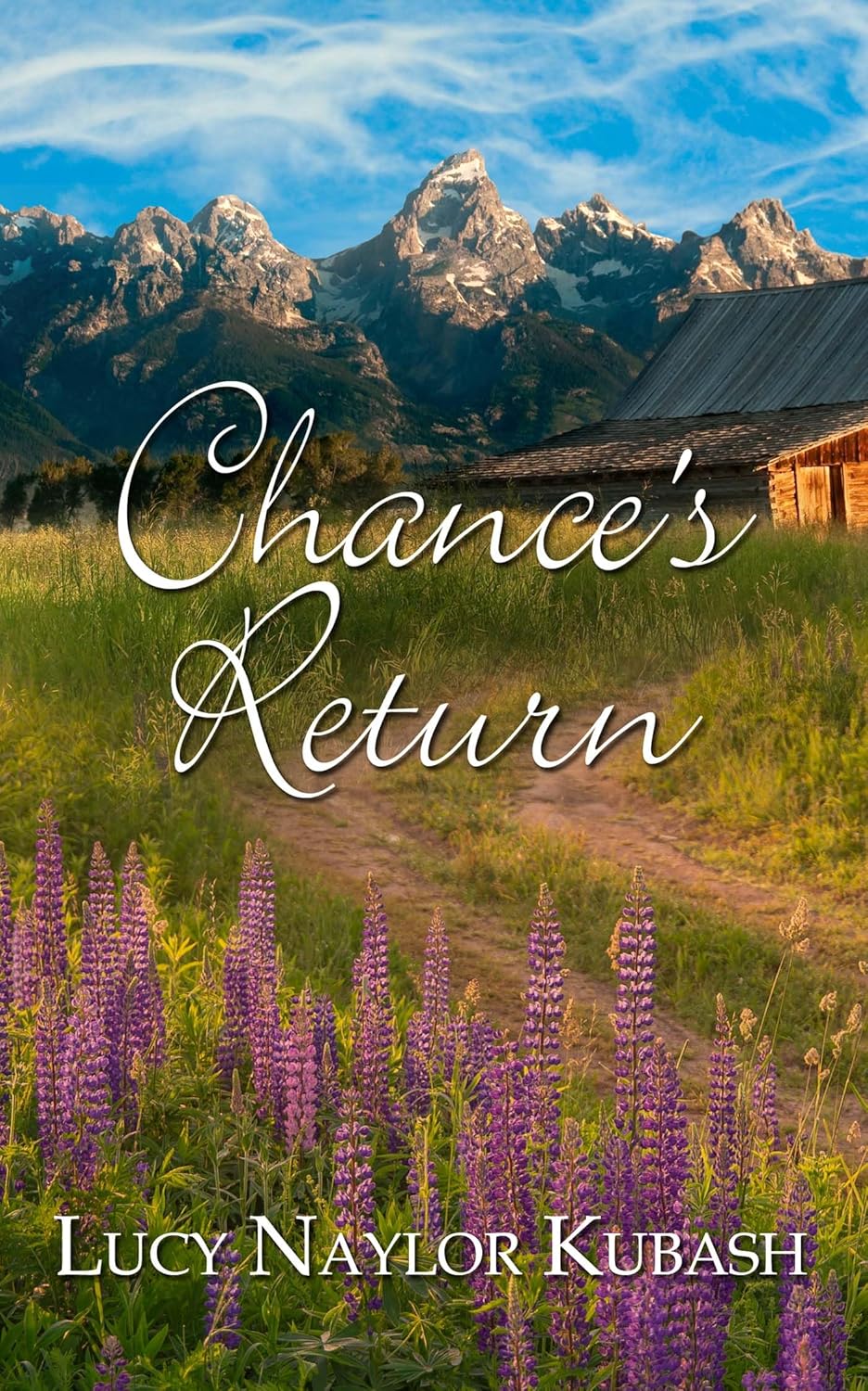
Chance’s Return, a clean and wholesome romance by Lucy Naylor Kubash, is Book 1 of the “North Star Legacy” series. The contemporary western is set in Wyoming’s ranch country.

Casey Girard, a widowed single mom, and her young son Jamie drive from Michigan to Wyoming for the summer. Casey, a librarian, desperately needs a change of pace. Hopefully, different scenery and occupation will help them recover from the tragic loss of her husband. Her plan is to help her aunt, a cook at the North Star, a working cattle and guest ranch.

Chance McCord, an ex-rodeo champion, is returning to his family’s ranch, the North Star. He’s still nursing his wounds–both physical and mental. His family has been torn with tragedy and anger. Will his return make things even worse?

When Casey and Chance meet, their mutual attraction is immediate. But both have pasts that need to heal. Will they be able to overcome these tragedies, let go of the past, and make a life together?

Clean romance, or “clean and wholesome romance,” is a genre of romance novels that focus on family, relationships, and clean content. I found Chance’s Return fit that description perfectly. The love shown between Casey and Chance didn’t need graphic descriptions of sex scenes. The lovely prose said it all.

I enjoyed Chance’s Return. Besides the storyline, I savored the author’s vivid descriptions of Wyoming, of a ranch nestled in the shadow of the looming Grand Teton Mountains with its extreme weather changes, the miles of pastureland, the clicking of insects, and the trill of songbirds. Besides all that, the story is captivating and heart-warming.