Book Review: Saving Her Prairie

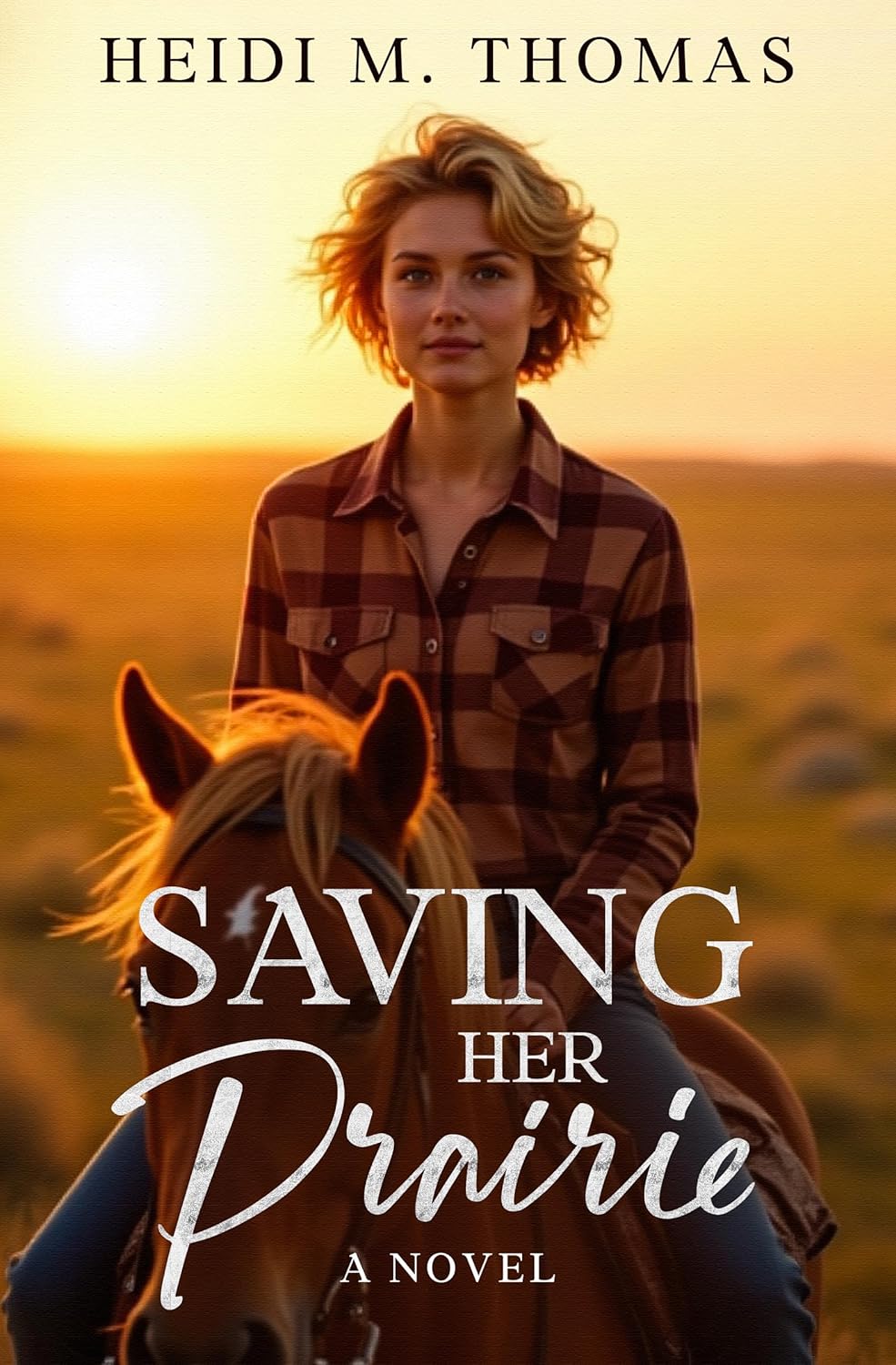
Saving Her Prairie, a novel by Heidi M. Thomas, is a gripping, relevant story of a young woman’s fight to protect her generations-old family land from human and animal predators. The contemporary story takes place in ranch country, Montana.

Dede Hume, twenty-three, is suddenly in charge of her family’s Montana cattle ranch. Her great-grandparents homesteaded the ranch in 1911 and following generations have maintained it as a successful, viable way of life. Her father has been diagnosed with Alzheimer’s and her parents want to take a once-in-a-lifetime vacation before the disease makes it impossible to do so. It’s a huge responsibility for Dede, even with the help of her younger brother. Tommy, twenty, is capable and willing to help, but is yearning to mingle with friends.

Running a successful ranch is hard work, but added to that burden is a threat from the Western Wildlands Preserve (WWP), a conservation group who want to create a big wildlife refuge in the area. Their goal is to produce a wide stretch of land, a nature reserve with no fences where bison and other wild animals can roam freely. Their plan involves purchasing three million acres of public and private land, a territory larger than Yellowstone National Park.

Ranchers are fighting the movement. Their job for generations has been to feed the nation. For years, ranchers have worked with the Bureau of Land Management to establish best conservation practices by building fences, rotating pastures, reducing overgrazing, and building water systems that benefit both livestock and wildlife.

One of the greatest dangers of letting bison roam free is that they are known carriers of brucellosis, a disease that affects cattle, leading to significant reproductive issues such as abortion, retained placenta, and infertility. Brucellosis can also be transmitted to humans, posing a public health risk.

When the WWP buys a neighboring ranch, Dede’s worst nightmare comes true. She finds a bull buffalo has broken through an adjoining fence, grazing with the ranch’s cattle. As it happens, Dirk Winslow, the foreman on that neighboring ranch, has shown an interest in Dede. Although she’s attracted to him, he has associations with WWP, so a relationship with him is out of the question. Or is it?

How can individual ranches fight against this all-consuming force that threatens cattle ranchers and subsequently the nation?

Saving Her Prairie is not only a well-written story of one young woman’s struggle to save her family’s ranch, but also a struggle for Montana ranchers’ way of life and their job to feed the nation. This book was an eye-opener for me, and I suspect will be for many readers. It’s stark reality is a wake-up call for action.

Book Review: Christmas Wishes

Christmas Wishes, a novella by Carmen Peone, is related to the “Seven Tine Ranch Romance” series. The heart-warming contemporary story takes place in Eastern Washington on the Colville Indian Reservation.

Mandie Sellars, a single mom, dreams of becoming the Events Planner for the Seven Tine Ranch, a third-generation guest ranch. She is currently their head cook and is valued in that role. When her boss puts her in charge of a wedding, a last-minute Christmas Eve event, Mandie is elated to have the opportunity to prove herself worthy of the job. But there is a big problem—that’s when her own wedding was to take place.

Hudson Piccolo, Mandie’s fiancé, is everything Mandie wants…and needs. Her first husband left when he learned Mandie was pregnant with their daughter, Nona, now five years old. Hudson will be a wonderful husband to Mandie and a great, loving father to Nona.

But there is a hitch in their future plans. Hudson, an attorney, is dissatisfied with his current job of serving foreclosures. He has been offered a dream job at a lucrative environmental law firm in Seattle, a job that would deal with salmon protection in local lakes and streams. However, Mandie wants to live on the Reservation close to family. Living in a big city has no appeal to her; in fact, it frightens her.

Dealing with two weddings due to take place at the same time, and the possible change of jobs that would involve moving away from family and reservation life, has put a strain on Mandie and Hudson’s relationship.

Christmas Wishes is a fast-paced story about the value of faith and compromise, of having the courage to “let go and let God” guide their lives.

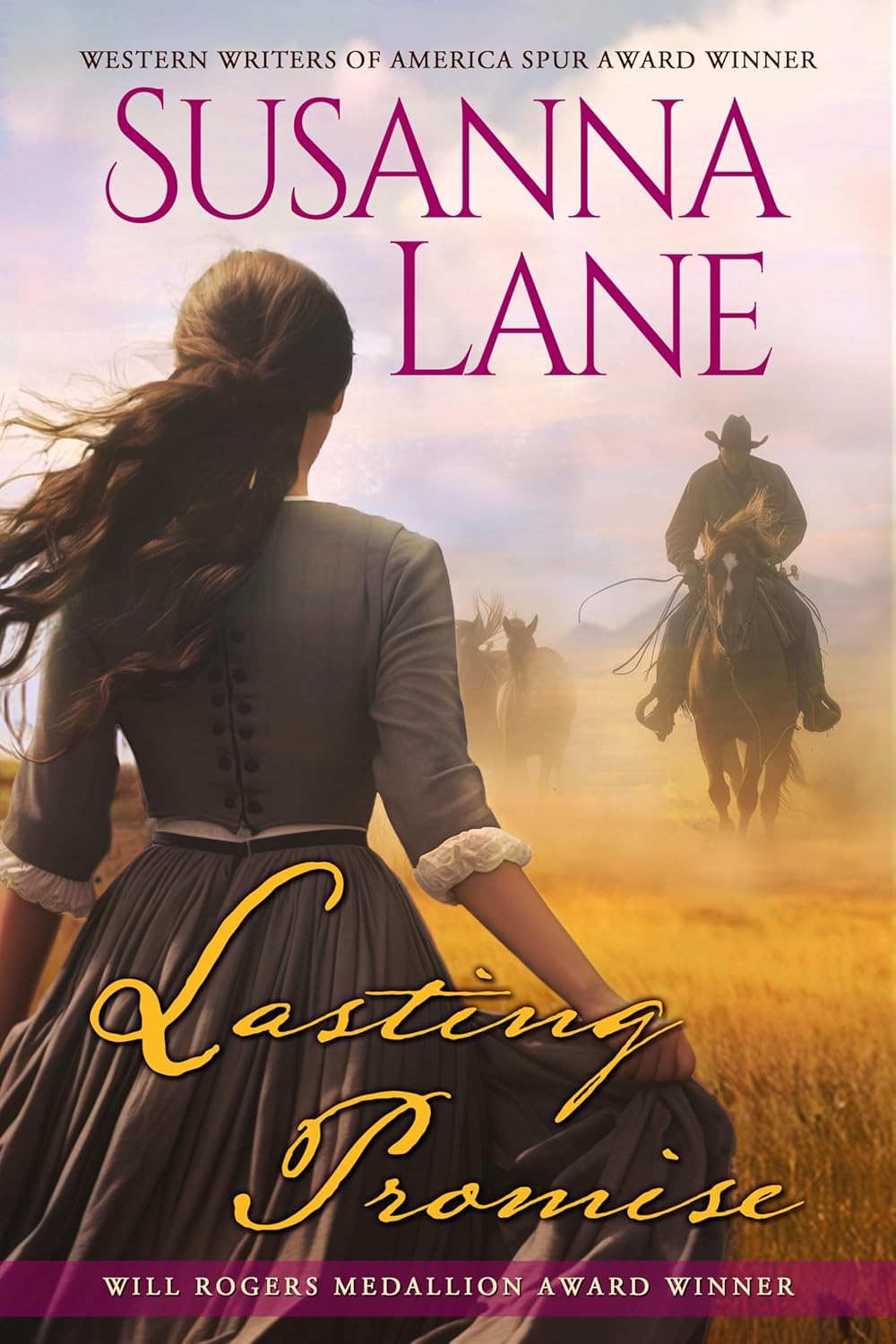
Book Review: Lasting Promise

“There’s not any one of us who never had to face challenges. The difference is what you do about it.”—From Lasting Promise

Lasting Promise, a novel by Susanna Lane, the third book of the “Promise” series, takes place mostly in Dakota Territory, beginning 1879.

Gus Quaid has suffered the terrible loss of his wife. Ten years ago, she was taken by Brule Sioux during a raid at their ranch. As a way of searching for his wife, he works off and on as an Army scout, rounding up renegades. He longs to return to his horse ranch, but finding his beloved wife is of uppermost importance. When in a Fort Benton saloon, he eyes a fiery woman, a stunning beauty. Intrigued, he approaches her, but is soundly rejected.

Victoria (Tori) Barrett has been betrayed–twice–and is determined to not have that happen again. When she sees big, handsome Gus Quaid, she at first rebuffs him, but then sees a way out of her present situation. With Gus as her protector, she leaves Fort Benton bound for a destination far enough away that she can’t be found.

As Gus and Tori travel first by boat, then by train, they learn about one another, their desperation, fears, and weaknesses. They finally arrive in Ogallala, Nebraska and, to their surprise, they find common ground: two of Gus’s best friends, brothers, have a ranch there, and to Gus’s surprise the same ranch is owned by Tori’s family. But will her past catch up with her and ruin her future? Will Gus be able to overcome his terrible loss and have a life with Tori?

Lasting Promise is a story with many facets. Author Susanna Lane deals with the two diverse personalities with aplomb—Gus’s situation and heartbreak, and Tori’s fear and desperation. This story is captivating and at times gritty. Susanna Lane builds suspense while giving the reader a strong sense of place and attitudes of the times.

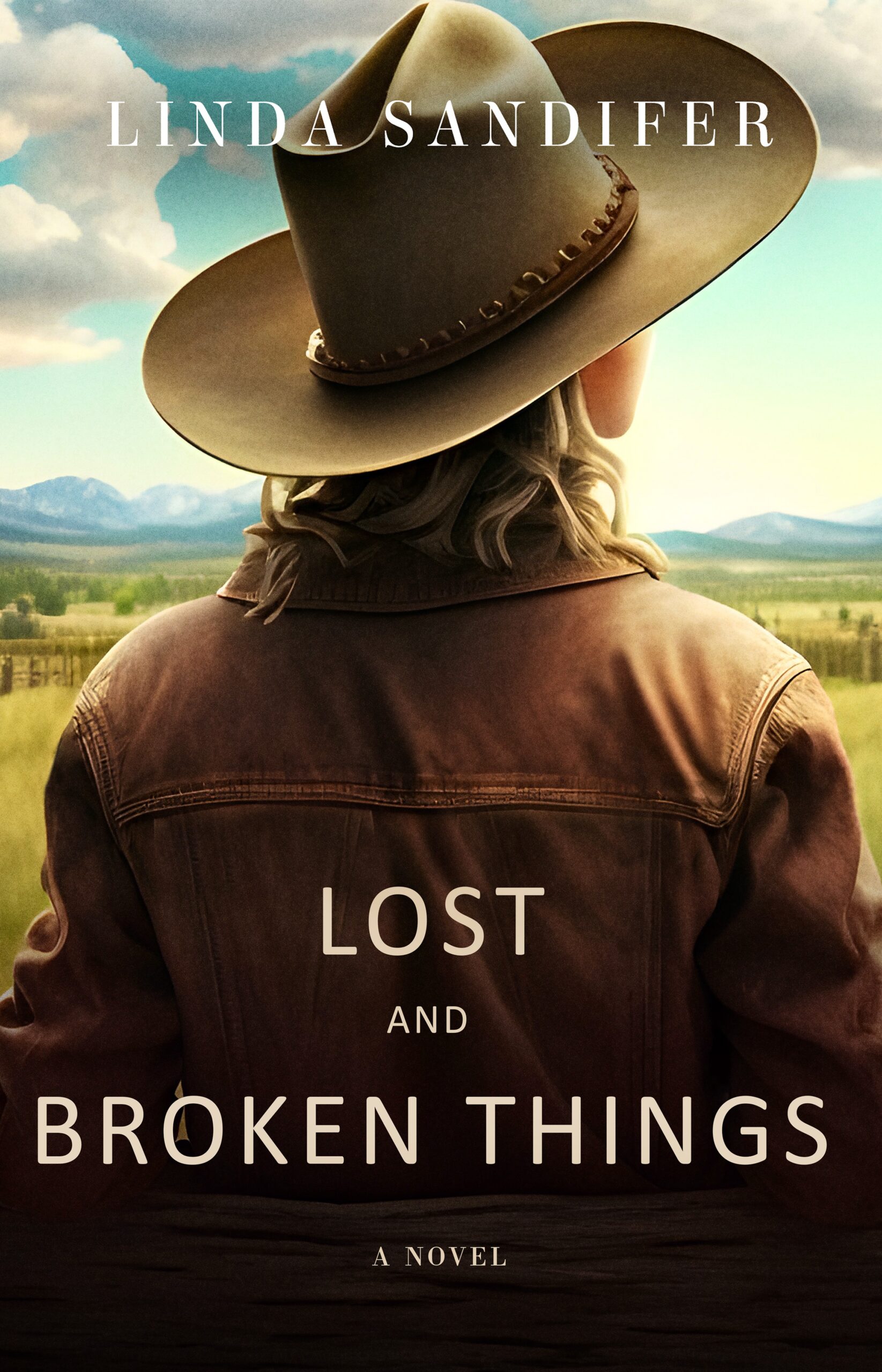
Book Review: Lost and Broken Things

Lost and Broken Things, a novel by Linda Sandifer is a memorable account of loyalty and bravery set in Idaho’s vast back-country in the shadow of Blue Mountain, 1929.

Lily Statton, fourteen, and her brother Davy, eleven, have been tending sheep all summer. They camp out with Lily sleeping in the sheep wagon, Davy in a small tent. No one has brought them food for two weeks and they’re getting desperate. Lily and Davy aren’t actually brother and sister, they are both adopted. The two are loyal to each other though they really feel no loyalty from either their adoptive mother, or her latest husband, their so-called step-father.

Miranda Oakes, the kids’ adoptive mother, is preoccupied with running a sheep ranch, flirting with neighboring ranchers, and making one poor decision after another. One of her latest decisions was marrying Eddie, or Pretty Eddie as Lily and Davy call him. He is handsome, but mean, to them in particular, but also to animals and anyone who gets in his way. The only thing he really seems to care about is his sheep. Sheep mean money.

When the kids’ plight is brought to light, it becomes apparent that Miranda is missing. There are a few possibilities where she might be, but when Sheriff Jack Tanner is alerted of the situation, a search for her is organized.

Sheriff Jack Tanner has a deep sadness. While he was in France fighting World War I, his wife and baby died of influenza. He is attracted to Anne Blake, who served as a nurse in the War and later went back to school and became a doctor. But he can’t get over the loss of his wife and the baby he never saw.

Lost and Broken Things is an exceptionally fine story. The author describes with vivid detail the surrounding countryside. Conversations are realistic, heart-felt, and flow naturally. The story of the kids’ heart-rending plight, the meanness of their step-father, the selfishness of their adoptive mother, the heartache of the sheriff’s tragic loss, all meld into an inspiring novel of depth. I loved Lost and Broken Things and highly recommend it.

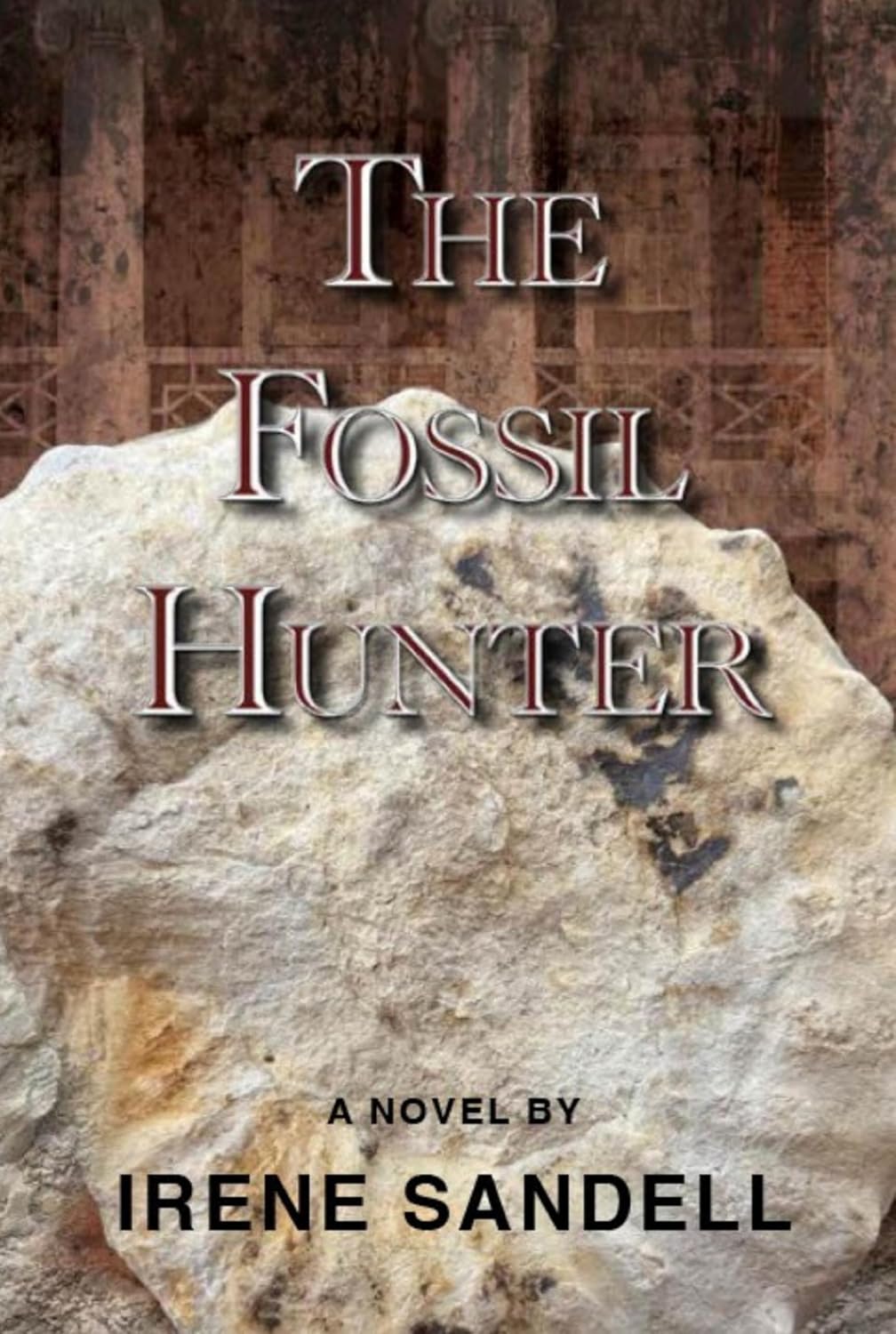
Book Review: The Fossil Hunter

“We cannot control the situations that life presents us. We can only control how we respond to them.”—The Fossil Hunter

The Fossil Hunter, a novel by Irene Sandell, is a captivating story that takes place from years surrounding1905 and toggling to 2015, Texas.

In 2015, Meredith Bannon, 73, a flower child of the ‘60s, travels to Troubadour, Texas. It has been fifty years since she’s been there, years of highs and lows, mostly due to bad choices. Her grandmother Grace has passed away and has left the house on 200 acres to her. Meredith was raised in this house by her grandmother, which has left many unanswered questions about her own parents.

Meredith has mixed feelings when she sees the Victorian-style house with its tall white columns. It was already old when she lived there. But now she sees the home as an adult. Inside, it’s like a time-capsule, and memories come flooding back.

In 1905, Grace Freeman is ready for a change. She has taught in a one-room schoolhouse for eight years, and it’s time to move on. At the age of 24 she applies for secretarial school for young women in Fort Worth. She thrives on her new skills and sees the world opening up for her. After graduating, she accepts a position in Troubadour, Texas, working for an insurance company. She meets and falls in love with
a widower, Martin Durham, a barber and the town marshal. They move to the house where he’d lived with his wife, a large Victorian home. Martin is a kind, well respected man, but is adamant that a wife’s place is in the home, that a wife working outside the home is demeaning to her husband.

While both Meredith’s and her grandmother’s stories are unveiled, interesting discoveries of fossils are introduced: a fossil bed that is the largest in the world for Paleozoic fossils, estimated to be 298 million years old. In both women’s stories paleontologists work the fields where the fossils have been discovered.

I found The Fossil Hunter a story with meaningful messages. Times have changed but human needs remain basically the same. We need to be able to express ourselves, to learn, and to grow. There have been times when people can manage no more than survival. And it’s true that many people are content with just being, letting life play itself out. But to learn new things, to expand our knowledge and live up to our potential, that’s living life to the fullest. In The Fossil Hunter, we see both kinds of living. One, a life of poor choices, and the other of striving to learn, but chafing with restrictions. And along the way, we learn of fossils and the work of paleontologists. In The Fossil Hunter we experience the ancient, the old, and the new.

Book Review: Buckeye

Buckeye, a novel by Patrick Ryan is a mesmerizing story of two midwestern families that span from just before World War II to the late twentieth century.

In Bonhomie, Ohio, population 6,000, young men are leaving to serve in the military. Some will go to Europe, and later, to the South Pacific. Cal Jenkins tries to enlist, but because he has a deformity—one leg is shorter than the other—the army won’t accept him. Instead, he volunteers for the Citizens Defense Corps. He marries Becky, who has a spiritual gift: she is a seer who can contact the dead. She doesn’t capitalize on her gift, she offers her services for free, helping people connect with lost loved ones. At times, Cal is annoyed with the steady stream of people who come to their home seeking Becky’s comfort.

When Margaret Salt was a baby, she was left at a Bonhomie orphanage with no name or explanation. Although she was placed in homes a few times, she was always returned. She’s treated well at the orphanage, but longs to live a normal life, an exciting life. She dreams of living in a big glamorous city, like Columbus. As soon as she becomes an adult, she moves to Columbus and loves the glamor of city life. She meets and later marries handsome Felix Salt, but is bitterly disappointed when his new job takes him to the small town of Bonhomie, the very town she’d hoped to escape.

War raged in the South Pacific, and Felix is called to serve on a ship that delivers supplies needed for the war effort. He had served 2 ½ years when the ship is struck by a torpedo. Felix is rescued but suffers from much more than his physical injuries.

During all the turmoil of war, chance encounters become a driving force that transform the lives of these two families over generations.

Buckeye is an amazing, sweeping novel that I thoroughly enjoyed. The war years took their toll in many ways, both on the battlefields and at home. Secrets are not kept forever and when they surface the pain can be overwhelming and life-changing. This novel is about life and loss, and about bringing truth to light with understanding and forgiveness.

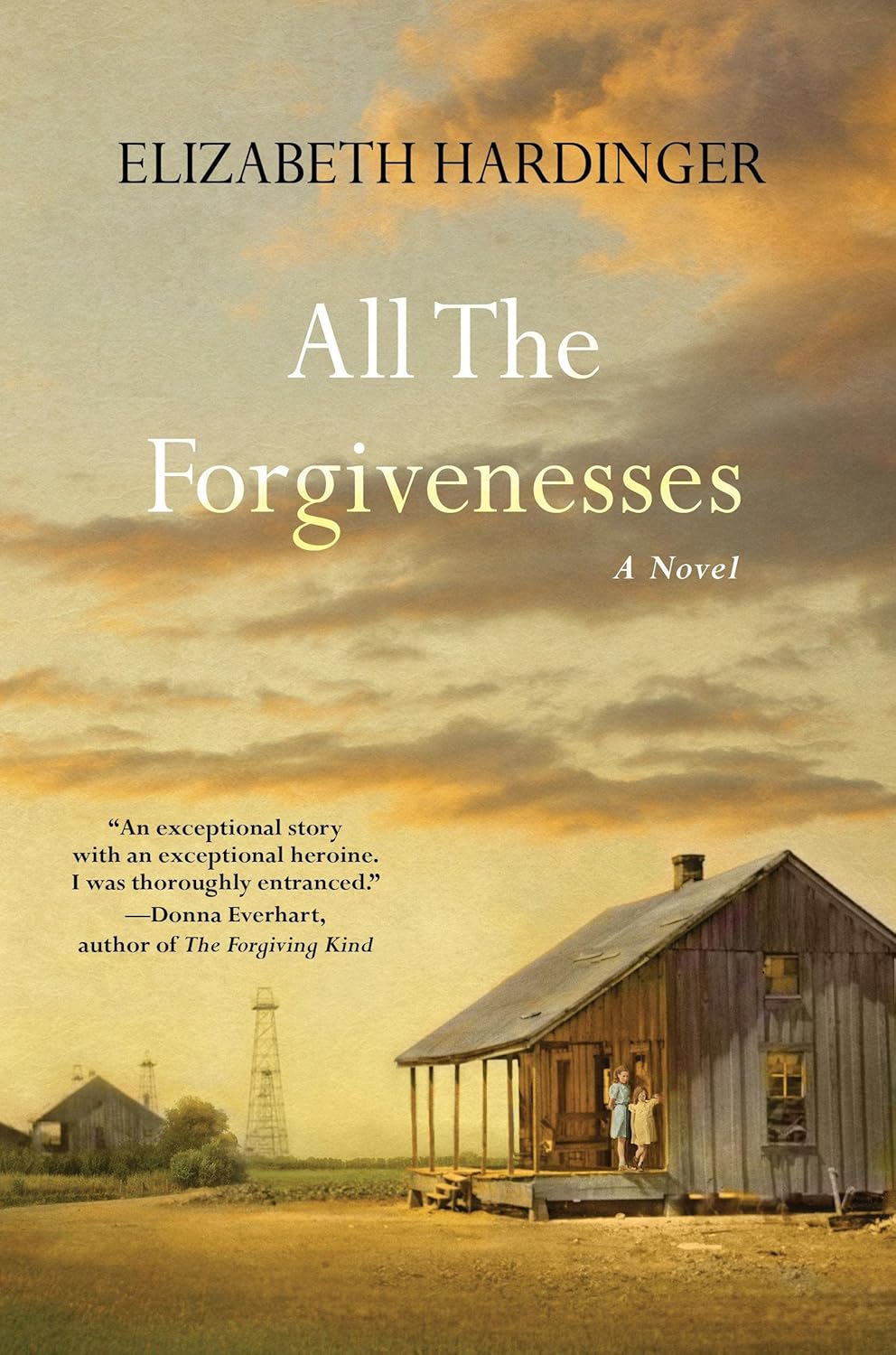
Book Review: All the Forgivenesses

All the Forgivenesses, a novel by Elizabeth Hardinger, begins in the Appalachian hills in southeast Kentucky, 1906. It’s a story of strength in the face of deep poverty, and inspired by the author’s own family history.

Albertina “Bertie” Winslow, fifteen, is the third child and the oldest daughter in the family. She has two older brothers, a younger brother, two younger sisters, and twin baby brothers. Bertie works alongside her mother, cooking, cleaning and taking care of the younger children. Her unreliable father, a so-called horse trader, is often drunk and mean. The older boys leave home to make their own way, but obviously to get away from their father.

The family moves to a run-down farm in Missouri. Bertie’s mother is chronically ill and when she dies, Bertie takes on the responsibility of the housework, her four younger siblings and their unreliable father. Although she attended school in her early years, it’s only a faint memory. She’s needed at home. To make money, Bertie kills and dresses chickens, takes in ironing, does whatever she can to put food on the table. Bertie’s a capable girl and knows how to run a household, but she’s soon overwhelmed. The oldest of her younger sisters, Dacia, is resentful and stubborn, making Bertie’s life even more difficult. To add to her burden, Bertie harbors grief and guilt over past family tragedies.

Bertie has one friend, Alta Bea, a little older than Bertie, who is from a comparatively rich family. Alta Bea’s story is threaded throughout Bertie’s life, and although their backgrounds are entirely different, they remain friends.

When Bertie is sixteen, she marries Sam Frownfelter, a hard-working young man in the draying business. Sam owns a springboard wagon pulled by two mules and hauls goods for pay. He loves music and plays the fiddle. Sam willingly provides for Bertie’s younger siblings, and is a steadying force when dealing with family conflicts.

Bertie, Sam and the children eventually move to the Kansas oil fields. They rent an old run-down house that hasn’t been lived in for years. Sam works in the oil fields, hauling machinery, spare parts and pipe, using 10- or 12-horse teams. Although money isn’t as scarce as before, Bertie is plagued by her sister Dacia’s hateful attitude. Sam remains a constant, steady influence despite the upheaval so often present in their lives.

I found All the Forgivenesses an engrossing story of courage in the face of deep poverty and emotional upheavals. Though easy to read, the story, written in first person, is told in Appalachian dialect, and was inspired by the author’s own family lore. I found the story to be a good reminder of what stark poverty looks like and how deep it runs. This is a captivating novel of family loyalty, redemption, and resilience.

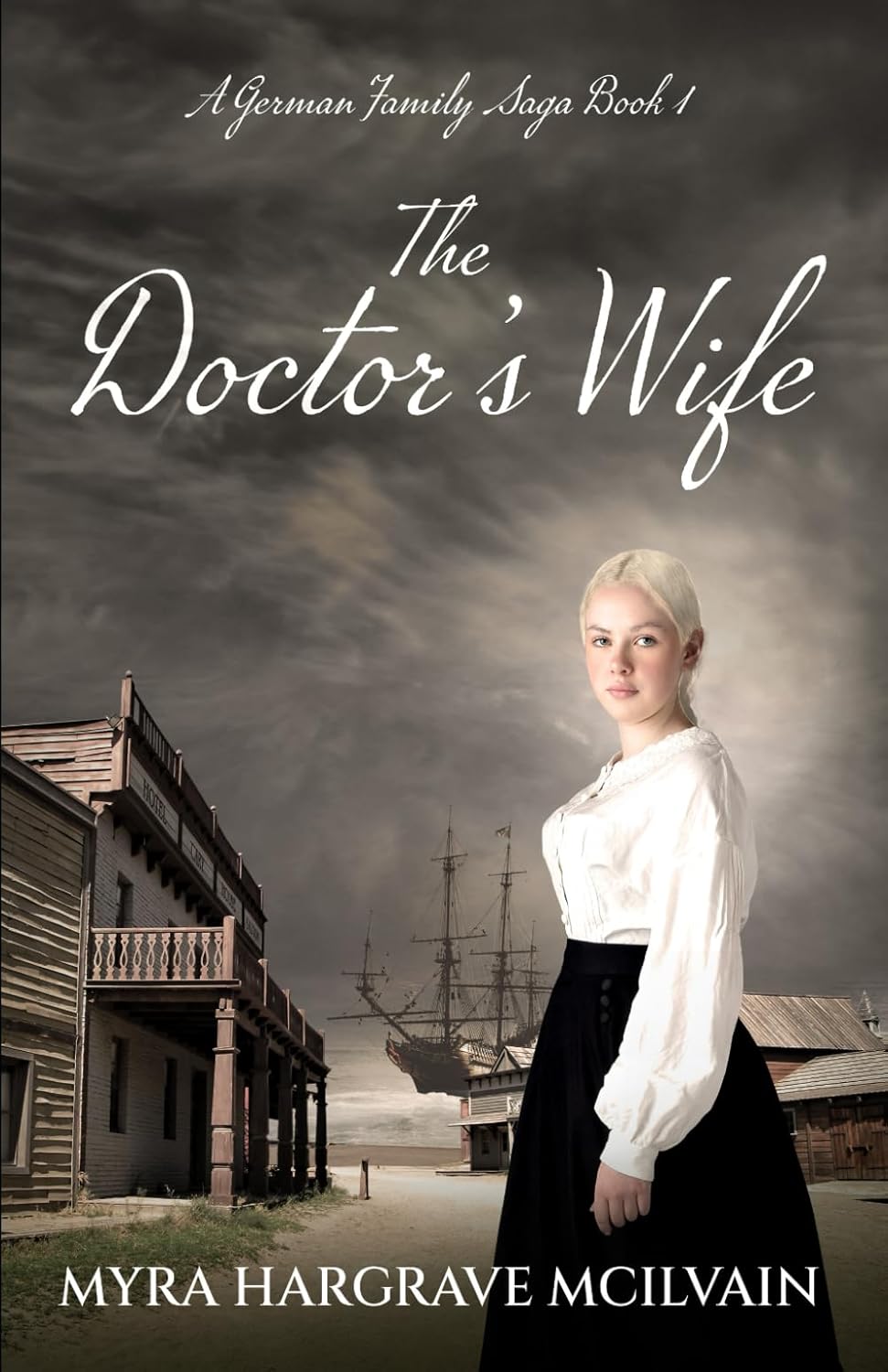
Book Review: The Doctor’s Wife

The Doctor’s Wife by Myra Hargrave Mcllvain, Book 1 of “A German Family Saga,” mostly takes place in Indian Point, which later becomes Indianola, Texas. The story begins in 1845.

In Germany, Amelia Anton has been hired as a private tutor to a young child. Aboard ship bound for America, the little boy dies of yellow fever, and the mother dies shortly after they reach Galveston. Her employer abandons her in Galveston, telling her he obtained a job for her as a chambermaid at the hotel where they were staying. It’s grim work, emptying chamber pots and cleaning up after guests.

When a handsome physician proposes marriage, she accepts, anticipating a better life than what she has so far experienced in this new land. Doctor Joseph Stein’s destination is Indian Point, a newly formed German migrant camp located along the shore of Matagorda Bay, Texas. Upon arrival they find people desperate to get out of the harsh elements. Most are living in tents, sleeping on molding mattresses, with no decent food to sustain them. The residents had been deceived, lured into coming to a rich land, full of opportunities. Instead they find themselves in an unsheltered bay, with scarce food and endless rain.

Amelia and Doctor Stein are able to stay in a small cabin, which also doubles as his clinic. He treats people suffering from typhoid, cholera, meningitis, and those who suffer from hopelessness with the dire situation that plagues the settlement. Gradually the town’s situation improves, supplies begin to arrive, and the town slowly builds.

But there is something missing in Amelia’s life. She remains a maiden, a virgin. Try as she might, her husband is unresponsive. He is an excellent doctor, well thought of. He is kind and provides for her. They eventually build a store that Amelia manages, with the doctor’s medical practice upstairs. But, although they share a bed, their marriage remains unfulfilled.

As the store thrives, Amelia is encouraged to go to New Orleans to purchase goods to meet the needs of the growing community, a transformative trip that changes how she lives the rest of her life.

I found this first book of “A German Family Saga” series engaging. It’s hard to imagine the hardships our forefathers endured. I loved the section of the novel where Amelia goes to New Orleans, a city I’ve visited several times. One visit was when I served with the Red Cross in late August, 2005, after Hurricane Katrina, an extremely powerful and devastating tropical cyclone. That trip was grim, but previous trips were lovely….and lively. The author does a good job of developing a story of struggling people, and showing that adversity can be overcome, or at least tolerated. I recommend this novel, especially to those who love history.

Book Review: The Gray and Guilty Sea

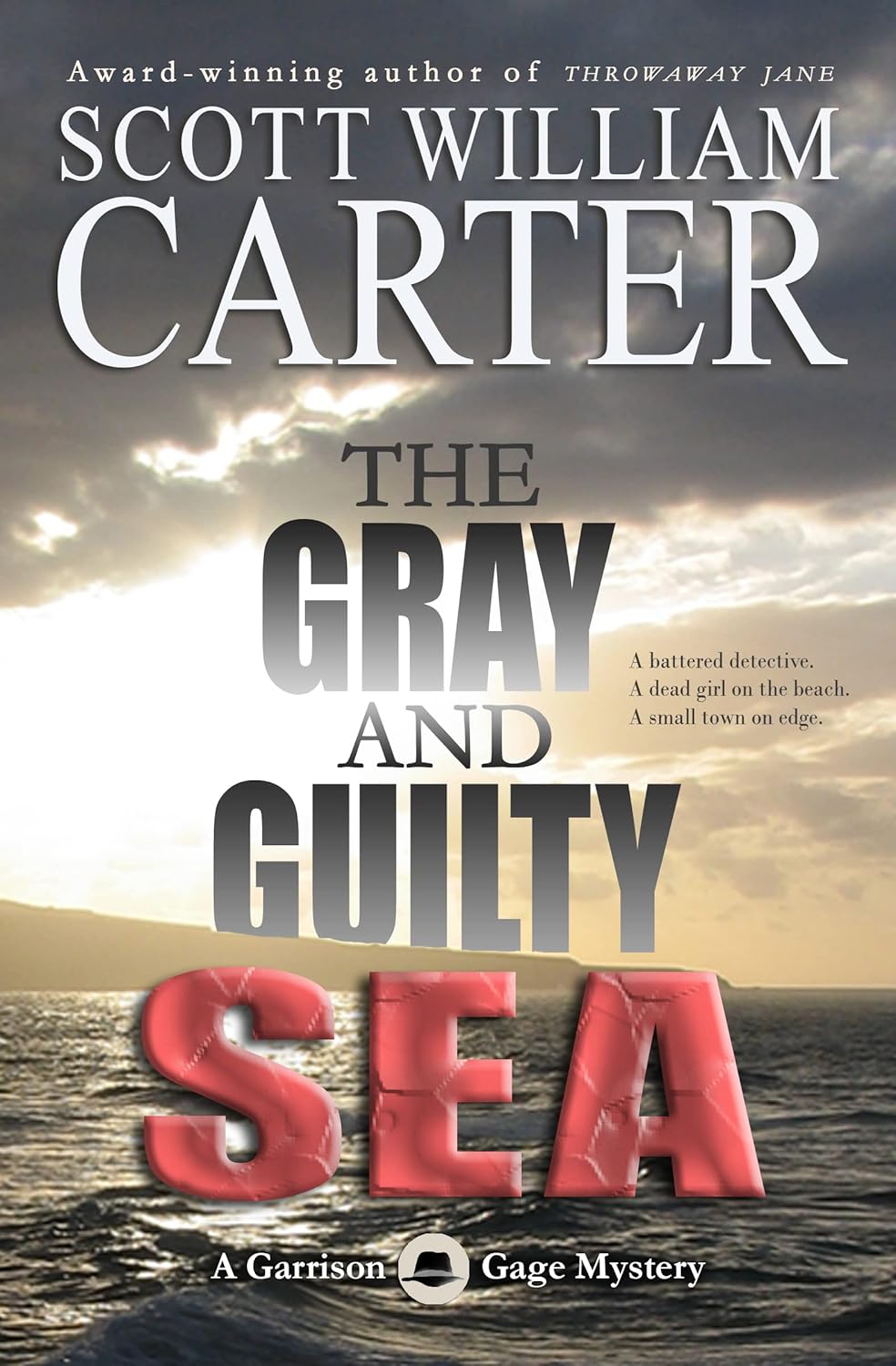
The Gray and Guilty Sea: An Oregon Coast Mystery is Book 1 of 9 of the “Garrison Gage Series” by Scott William Carter. The contemporary novel is set on the rugged Oregon coast.

Garrison Gage, a crusty retired New York private investigator, just wants to be left alone. He’s still grieving over the brutal murder of his wife and his own debilitating knee injury sustained as the result of being shot by the same villain who killed his wife. It’s been five years since the tragedy, and he’s retreated three thousand miles to the quaint coastal town of Barnacle Bluffs, Oregon. He spends his time working crossword puzzles.

On a solitary walk to the nearby seaside, Garrison discovers the body of a young woman washed up on the beach. The investigator in him just can’t let it go—he’s compelled to solve what is obviously a crime scene. While in the process, Garrison manages to antagonize the police chief, become acquainted with a pretty, smart reporter from the local newspaper, and spark interest with some of the local folks who help him solve the mystery of what is obviously a brutal murder.

I enjoyed this mystery, particularly since I have spent time on the Oregon coast and am familiar with many of the sights. Although Barnacle Bluffs is a fictitious town, it is similar to many communities along the coast. The author does a fine job of identifying the crime as a murder, and goes about solving the case logically with a believable sequence. I’m not a crime novel buff, but I appreciate good writing. This mystery series if off to a good start.

Book Review: Call of the Camino

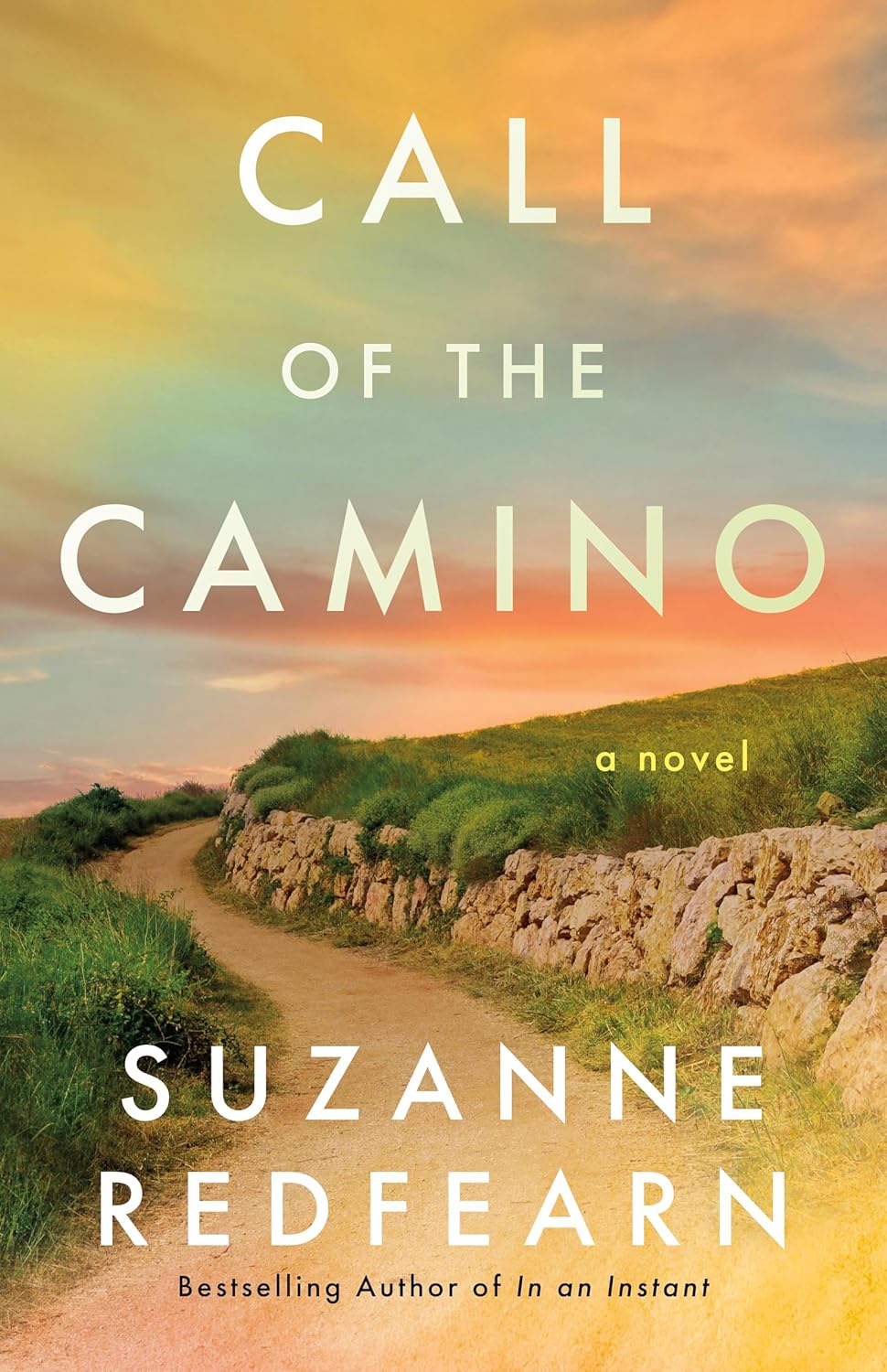
Call of the Camino: A Novel by Suzanne Redfearn is a fascinating story from beginning to end. Most of the novel takes place along the Camino de Santiago trails, a religious pilgrimage undertaken for more than 1,000 years. The story toggles between 1997 and 2024. The novel is partially based on a true story about thirteen founding families and a land dispute involving opposing views for Dur, England’s future.

The story begins in 1997 with Isabelle Vidal, almost 18, a cattleman’s daughter. Her home is in Dur, England, but she attends a Catholic high school in Pau, France. She’s an exceptionally bright girl, can speak six languages, and wants nothing to do with the Dur land dispute between families. To avoid having to take sides and vote, Isabelle runs away from school and ends up on the ancient 500-mile Camino de Santiago in Spain. She insists on paying her own way and works at the various stops to pay for lodging and food. Isabelle is a strong healthy girl, used to walking, and makes lasting friends along the way. But her journey isn’t easy and takes an unexpected turn.

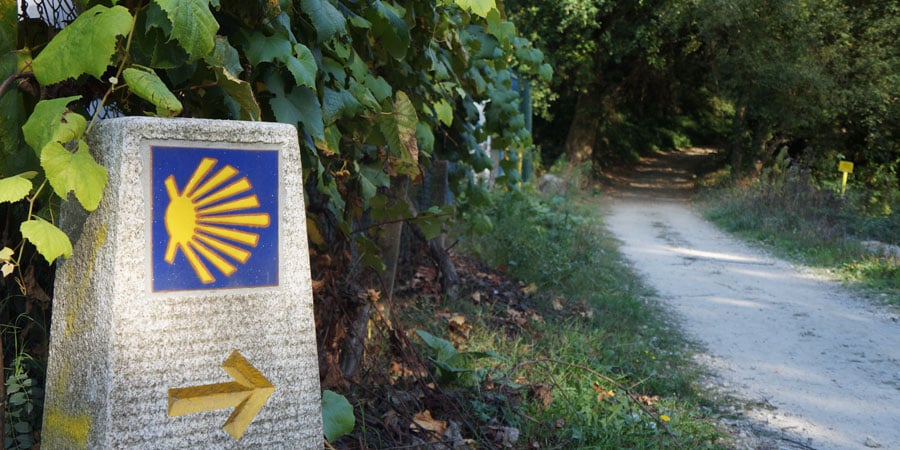
Sign along the trails of Camino de Santiago

In 2024, Reina Watkins, a New York journalist, is copy-editor for a popular magazine. She still grieves the death of her father who died when she was eight. Through a quirk of fate, she has an opportunity to write about the Camino de Santiago and finds herself on the same journey her father walked at her age and wrote about in his journal. Unexpectedly, her nemesis, Matt Calhoun, a fellow journalist, is also on the trail, putting a damper on her Camino experience. Reina gives the journey her all, enduring the dusty trails, the ensuing blisters and aching muscles, but also appreciating the beauty and history of the trail. She makes friends with interesting people and finds unexpected strength within herself.

I found Call of the Camino a deeply moving story of two women whose entwined paths in different eras result in transformative journeys. The author, who has walked the Camino herself, does an outstanding job of describing the sights, the spirit of the pilgrimage, the cuisine, and also the difficulties of the journey. As Isabelle and Reina each meet and make friends among their fellow pilgrims, their worlds are enriched. I recommend this book to anyone with an adventurous spirit, for those who have walked Camino’s hallowed trails, and especially for people who might take this epic journey.