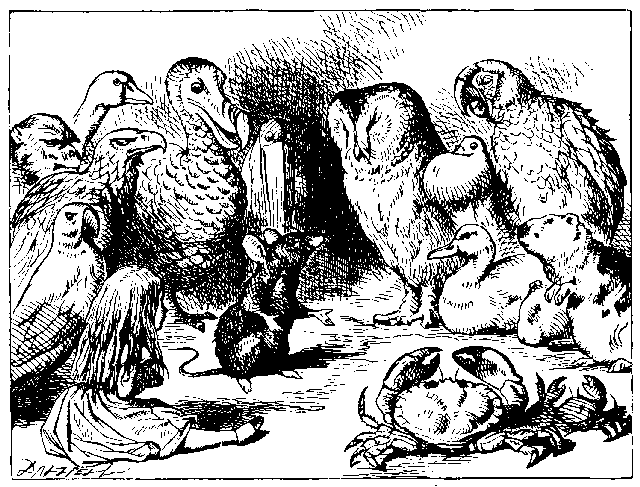
 (Picture Caption: From Alice in Wonderland by Lewis Carroll, illustration by Sir John Tenniel, 1865)
I used to think of a platform as a raised surface to stand on, a stage for public speaking, something to give the audience a better view of the speaker.
Today’s platform, at least in a writer’s sense, is really the same thing. It’s a way for people to see us, get to know us, to be recognized. For writers, a platform is a necessity, particularly with the decline of promotional assistance from publishers. Here are ways we as writers can build our platforms:
A website is a must for writers. People crave information about their interests. An attractive, uncluttered website offers readers a chance to get to know you, your work, and how to achieve the bottom line, buy your books. Adding links to other points of interest helps enrich your visitors’ experience, along with your Google ranking..
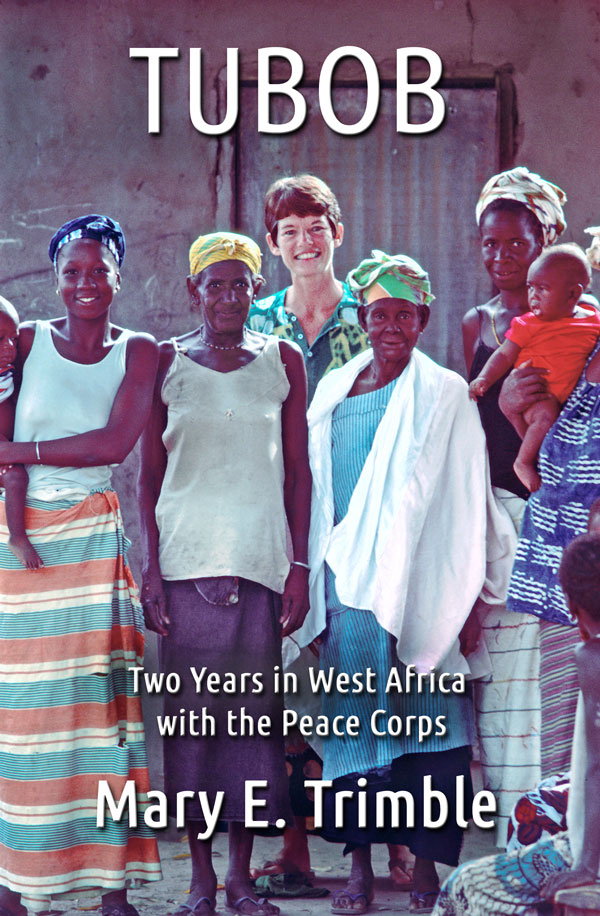
Videos have become a popular way to show your work. My husband Bruce recently created a video on the popular venue, YouTube, for my latest book, a memoir, TUBOB: Two Years in West Africa with the Peace Corps. In this video he featured many of the images and sounds of Africa. There was a learning curve, even for a computer savvy person like Bruce, but he found a free program to accomplish what he wanted to do. You can view the video here:
Social media such as Facebook and Twitter provide a way to reach out to the world. Facebook allows people to build connections, express identities and tell their unique stories. Many writers have a personal page and a professional page. This allows two types of contacts and helps to reach a wider audience. Not always, but on occasion a writer may want to link back to her website to emphasize a point, to share a video or a good review..
Twitter provides bite-sized updates on people you have chosen to follow or those who follow you. It’s another way to stir up interest in your passion, your book, or to open up your world to others’ ideas. The point is, social media provides an avenue of communication otherwise not possible.
Although there are other social media besides Facebook and Twitter, such as Google+, LinkedIn, Pinterest, Tumblr, most of us have to limit our time and energy to two or three types of social media. Each one is distinct with different benefits and abilities to engage and connect with others.
Many authors are finding a terrific niche in on-line sales. They’re reaching an audience they could never have tapped before.
Blogging provides an excellent venue for marketing our work. I was a reluctant blogger, but once I started I realized it opened a new world of communication for me. I can write about anything that interests me, knowing that some of what I blog about will interest others, too. I vary my topics, interspersing book reviews, health tips, pieces about travel destinations, topics relating to my own writing, such as research, or even writing tips. My blog is mine to do with as I please. As my list of readers grows, so does my reputation. Interviewing others on your blog and being interviewed on other blogs also widens your reach. Making meaningful comments on others’ blogs is another way to reach out.
Newsletters are an excellent way to stay in touch with readers. It has been my observation that writers either blog or send out newsletters. It would be hard for me to imagine having time for both. Newsletters are great for bringing people into your life with up-to-date information on what you are doing.
Media publicity such as local newspapers, radio and television, are rich sources of promotion. Right after I received my first shipment of Tubob, I sent our local newspaper a press release and followed up with a phone call. The editor asked for additional information and a copy of the book. From the resulting article, I could tell the reporter had not only read the book, he referred to material from my website.
Some people feel this type of promotion should be done well before the release of a book, even as long as six months. In my experience, I have found it works better to have the book in hand. We live in a fast-paced society and people demand instant gratification or they lose interest.
Printed Material, such as business cards, bookmarks and postcards, give people a tangible reminder of who you are and helps to showcase your work.
Personal appearances are a powerful way to be noticed. Setting up a table to showcase my books at arts and crafts shows, fairs, retail store events, local festivals and speaking engagements bring me the biggest sales. The problem with this is that it isn’t practical to go too far from home unless you are funded. Within a reasonable distance from home, book stores, libraries, community centers, and specific clubs aimed at your genre, would love to have speakers, either on the topic of writing or specifically about your book, such as its required research, or even what you learned from writing your book.
With a variety of low-cost or even free aids, writers can build a platform to reach readers who otherwise would not have noticed us. Through a well-designed website, videos, social media, blogging, newsletter, media publicity, printed material, and personal appearances, our interests and our creative works can be shared all over the world.
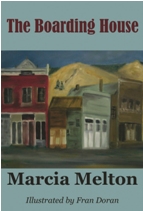 Marcia Melton’s The Boarding House (Raven Publishing) brings the early 1900’s to life. Although listed as a Young Adult novel, adults will also love this slice of Montana history.