Book Review: The Teachings of Shirelle

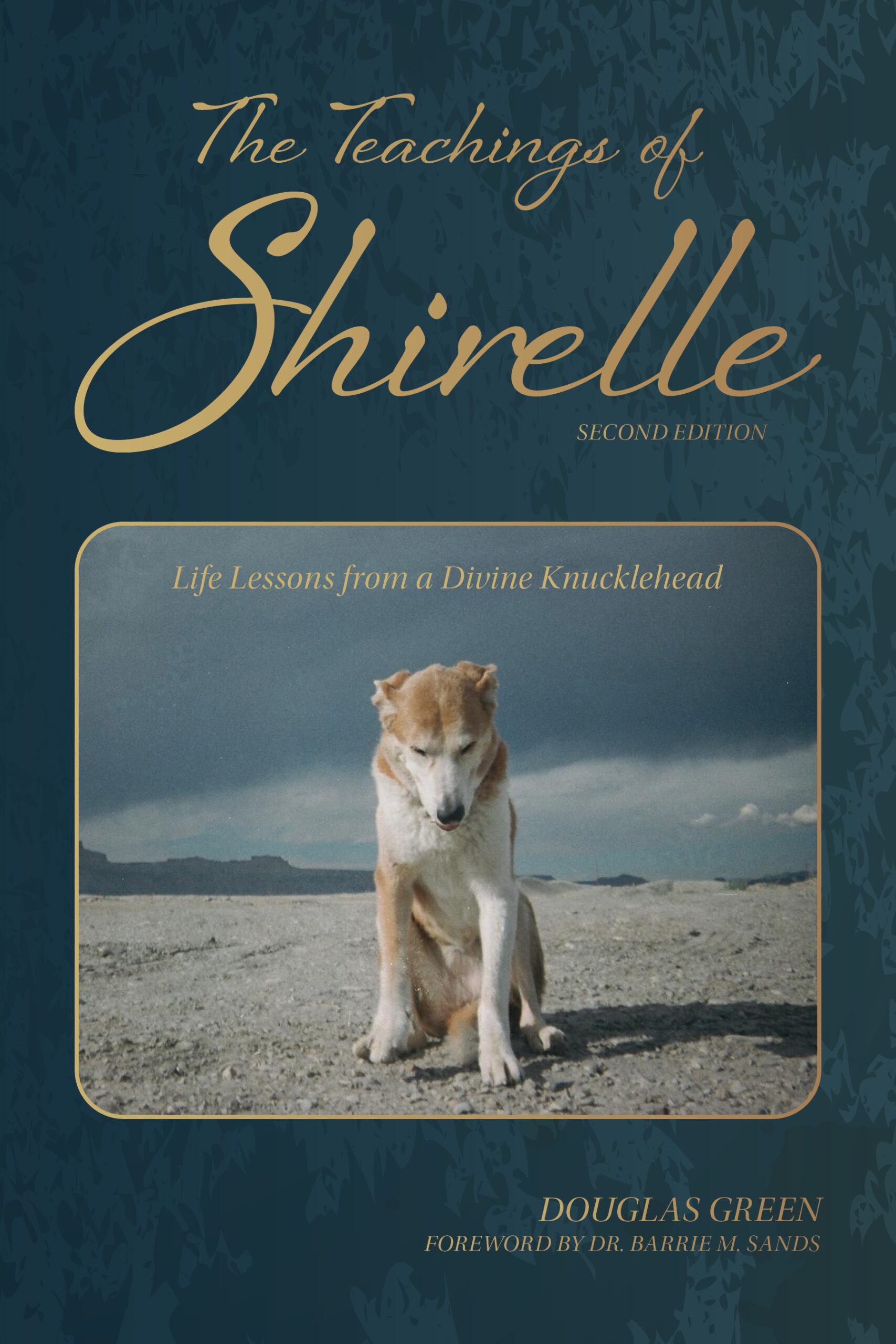
The Teachings of Shirelle: Life Lessons from a Devine Knucklehead by Douglas Green is a poignant memoir about the author’s relationship with his dog, Shirelle, with an interesting and enlightening forward by an award-willing veterinarian, Dr. Barrie M. Sands. The story takes place in the early 2000’s, California.

Douglas Green grew up with dogs and, as an adult, felt something was missing in his life. An author, psychotherapist, plus director and writer of film and theater, he sought a canine companion from an area dog shelter. What he found and adopted was a high-energy, orange and white supermutt he named Shirelle.

At first Shirelle was typical puppy, destroying property and clothes. But as she developed, still full of energy, she found her way into the hearts of all who knew her. She made a profound impact on Doug’s well-being and mental health. Although from time to time Doug had girlfriends, he remained single, so Shirelle became his “everything.” Loved and cherished, Shirelle taught Doug how to live life to the fullest, to cherish the moment. She was a valuable addition to his psychotherapy sessions, and made deep connections with many clients.

I’ve had dogs most of my life and appreciate their value to our sense of well-being. The Teachings of Shirelle emphasis the worth of a loyal dog and the comfort a dog can bring into a home. While Douglas kept Shirelle safe, fed, healthy and sheltered, she gave him love, security, and many laughs. I recommend this memoir to anyone who loves dogs or who is thinking about adopting a dog. This book is a guide, not in animal training, but in living life.
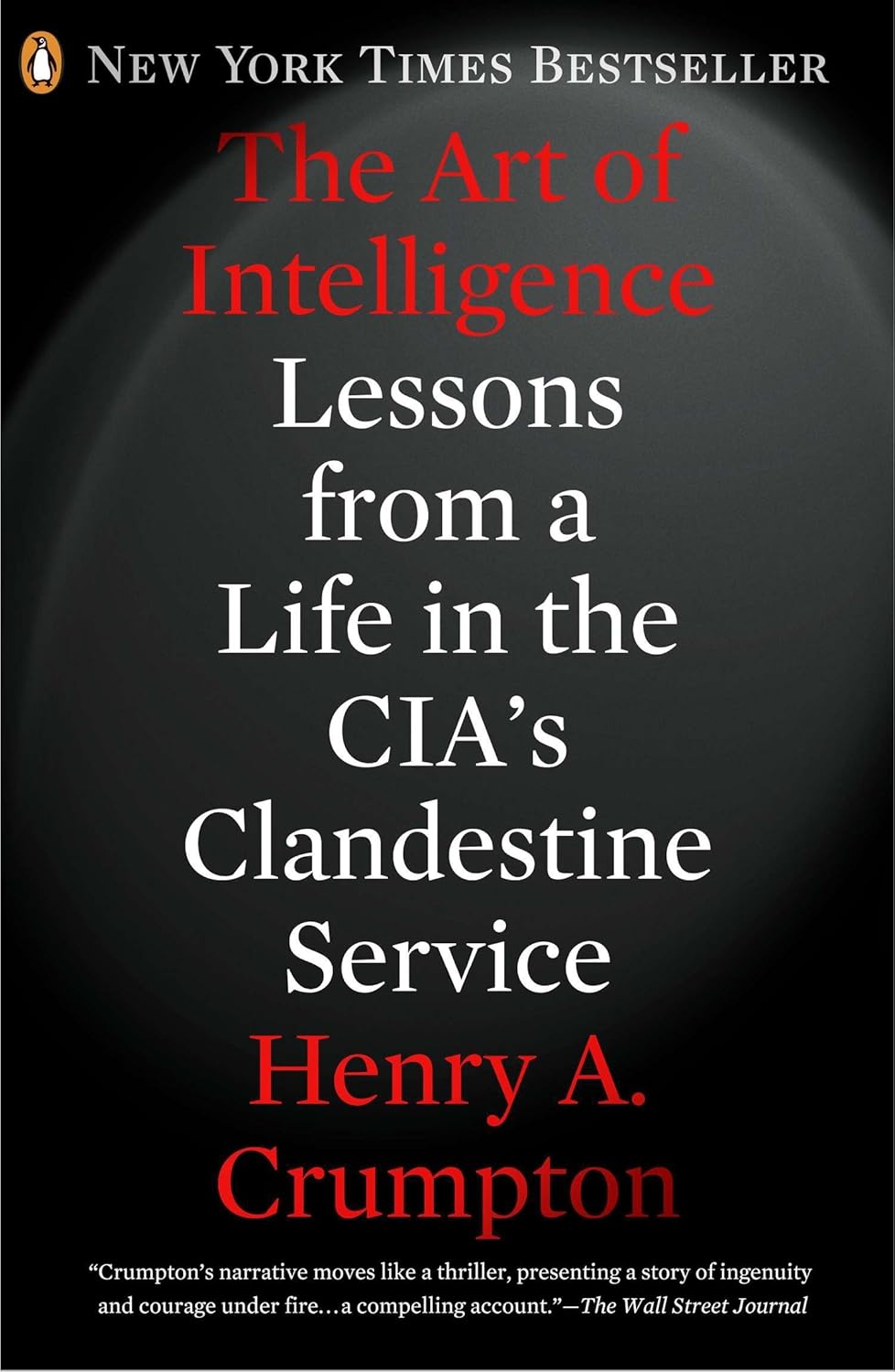

Book Review: The Art of Intelligence

“The essence of espionage is access.”
Allen Dulles, The Craft of Intelligence

The Art of Intelligence: Lessons from a Life in the CIA’s Clandestine Service, a memoir by Henry A. Crumpton, is a riveting account of how the CIA and other intelligence and espionage groups operate to defend our country.

Henry (Hank) A. Crumptom’s story begins with the 9/11 attacks. America’s intelligence, the ability to reason and apply knowledge to the information about an enemy or area, sorely needed updating. The horror of 9/11 was an intelligence failure, resulting in an explosion of organizations aimed toward shedding light on issues of espionage. Crumpton’s profession changed from the Clandestine Service to many roles in counterterrorism, from spy to diplomat.

As Crumptom’s responsibilities and achievements grew, the demand for his services increased as he was given critical leadership roles. He spent years in Africa, later in Afghanistan, pioneering new programs, and heading up clandestine operations. Over the years he worked with CIA and FBI. His specialty proved to be recruiting foreign agents.

One of Crumpton’s biggest challenges was to convince CIA leaders that al-Qaeda posed a serious threat. It was hard to believe that Afghanistan, where only six percent of the people had electricity, posed a real threat to the world’s sole superpower. The United States had Afghan allies–many Afghans hated al-Qaeda and had suffered under its brutal regime. But it’s a vast country and the logistics of operations are daunting. Still, the horrific attacks on 9/11, the USS Cole and the American embassies in Dar es Salaam and Nairobi, demanded action.

I found this book riveting. I now view CIA, domestic and foreign intelligence, and international terrorism in a more enlightened way. I admire the author’s ability to describe his co-workers appearance, personalities, and achievements, making their contributions a part of his story. Crumptom and the people he worked with transformed the way America wages war. He was instrumental in making changes that allowed the CIA to successfully fight the war on terrorism.

I would have liked a glossary on the many acronyms used. The author always identified the first use of an acronym, but, unfamiliar with some of them, it was sometimes daunting to remember CTC, AQ, UBL, SIOC, EIJ, DOD, NR, etc.

But this one complaint aside, I found The Art of Intelligence an eye-opener, enlightening, and sometimes even humorous. It’s not light reading, but it is gripping, engrossing and informative.

Hobnobbing with Nature: Olympic National Park

Sunset at Rialto Beach (Photo by Bruce Trimble)

Olympic National Park, located in Washington’s northwest corner, is one of our all-time favorite destinations. Mild temperatures and abundant rain result in massive ancient forests of Sitka spruce, western hemlock and western red cedar. Mosses and ferns carpet the dense forest. Visitors are surrounded with raw, rugged nature at its finest.

Olympic National Park, at more than 1,400 square miles, boasts a diversity of terrain including the Hoh Rain Forest, the Pacific coast and the towering peaks of the Olympic Mountains. Ninety-five percent of the park is designated wilderness.

One of our favorite places to camp is Mora Campground, open year-round. Mora has amenities such as fire rings with grates, accessible restrooms, water, and bear-proof food storage. Mora also has a boat ramp and picnic area. We love walking through the five camping loops, all on relatively level terrain. Mora is a reservation camp, but visitors are allowed to camp on a site that isn’t reserved. Note: Although there was plenty of room for our truck and camper, Mora is not suitable for RVs larger than 35 feet.

When at Mora Campground, we always take at least one day to explore one of our favorites, Rialto Beach, about three miles from camp. The two-mile stretch along Olympic National Park’s wild Pacific coast offers smooth-pebbled black rocks, giant drift logs, pounding waves, and magnificent views of offshore islands known as “seastacks.” Rialto has wide sandy beaches for easy walking. Before going to any Olympic beaches, be sure to check the tide charts.

For an experience of pure, wild nature, Olympic National Park is a fulfilling destination.

To make reservations for Mora Campground: https://www.recreation.gov/camping/campgrounds/247591

Book Review: The Lost Cowboy

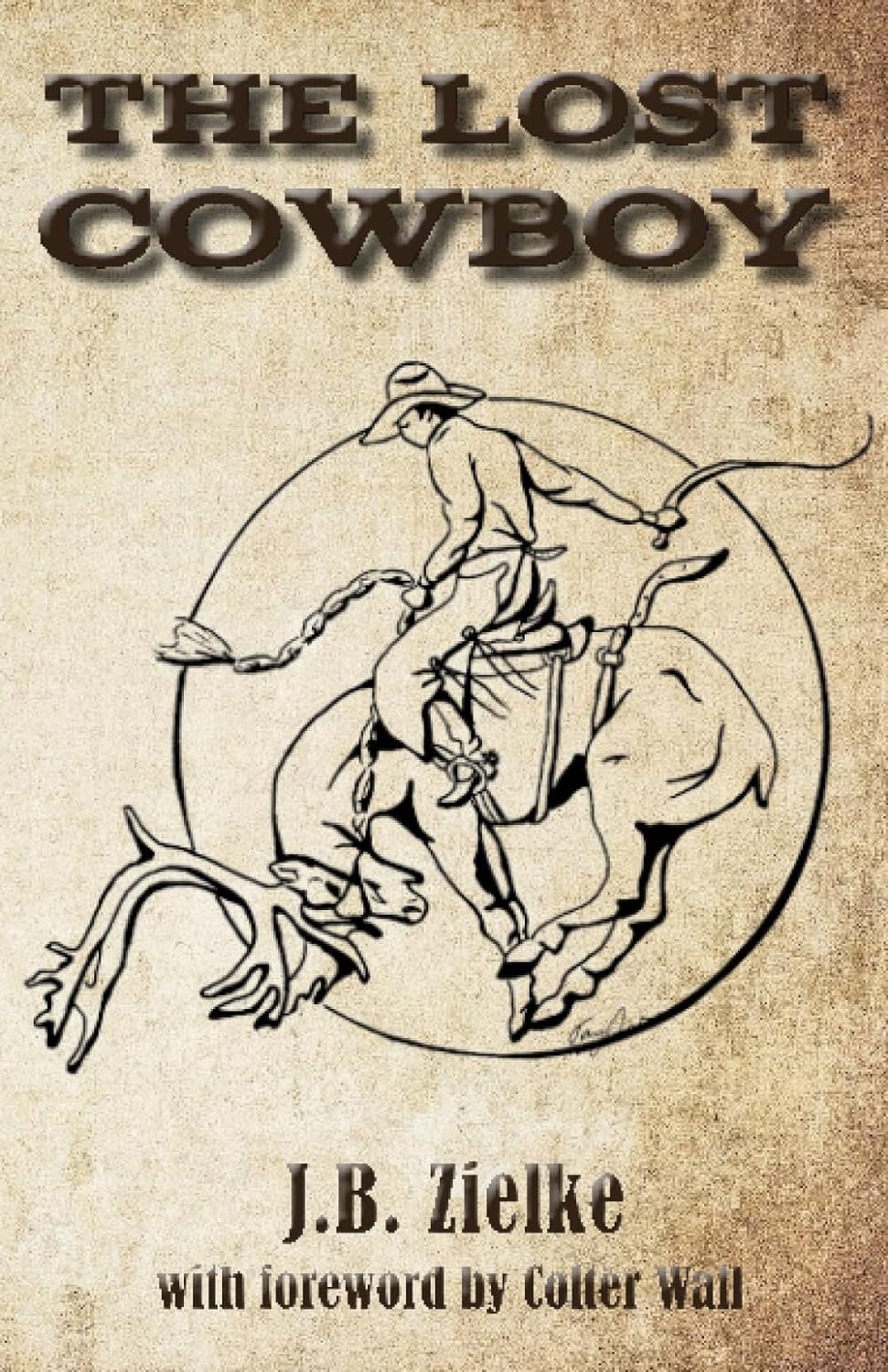
The Lost Cowboy by J. B. Zielke is an awe-inspiring true story of the author’s quest for knowledge about modern-day cowboying around the world. Zielke, in his twenties, traveled to six continents, working on ranches and learning the hard way the life of the cowboy, often in untamed land.

Zielke, an experienced horseman and rodeo competitor, began his quest in Australia where cowboys are called “ringers.” When he first arrived he was met by two rough, dusty looking men, shoeless, wearing button-up shirts with no sleeves and very dirty shorts. Zielke worked with these men catching wild bulls. His time in Australia was spent working for and with some of the roughest, toughest people he had ever met.

Next on his quest was Argentina, thrust into a Spanish-speaking world where he worked at a guest ranch, then later worked round-up on a cattle ranch. Much of ranching was different than Zielke expected—even the saddles were constructed differently than either American or English.

Sweden, he found, was one of the most unique places to raise cattle in the world. The Swedish government is very much involved, enforcing strict rules, restrictions and regulations. A couple of examples: It is illegal to rope any animal, and all stock must be sheltered in a four-sided structure in winter. Still, as in most places, Zielke made the most of his stay and made a significant contribution to the work force.

In South Africa, Zielke, through his contacts with Future Farmers Foundation, helped mentor and work with students, some of whom were just getting started working with agriculture, and some who were running massive multimillion-dollar farms. Overall, Zielke found that Africa was like seeing the world as it really was.

In Mexico, Zielke worked on a large farm, mostly harvesting corn, then later worked on a ranch. He was constantly impressed with Mexican ingenuity and their ability to make broken-down machinery work.

Asia, specifically Mongolia, was Zielke’s final destination. One of his aims in Mongolia was to visit the last people on earth who still ride reindeer. He found the Tsaatan, people who live in northern Mongolia, the last semi-nomadic people who depend on reindeer for transportation.

The Lost Cowboy is a story of a man who sought his adventure the hard way. He endured hardships most people would not be willing to suffer. He wasn’t a rich man, but he labored to earn enough money to experience the riches and hardships of cowboys the world over. This review only touches on the highlights of what is a thoroughly entertaining, in-depth, and educational story of one man’s attempt to experience the cowboy life in different cultures.

Book Review: Lila’s Journey

“I hear America singing, the varied carols I hear….”
Walt Whitman

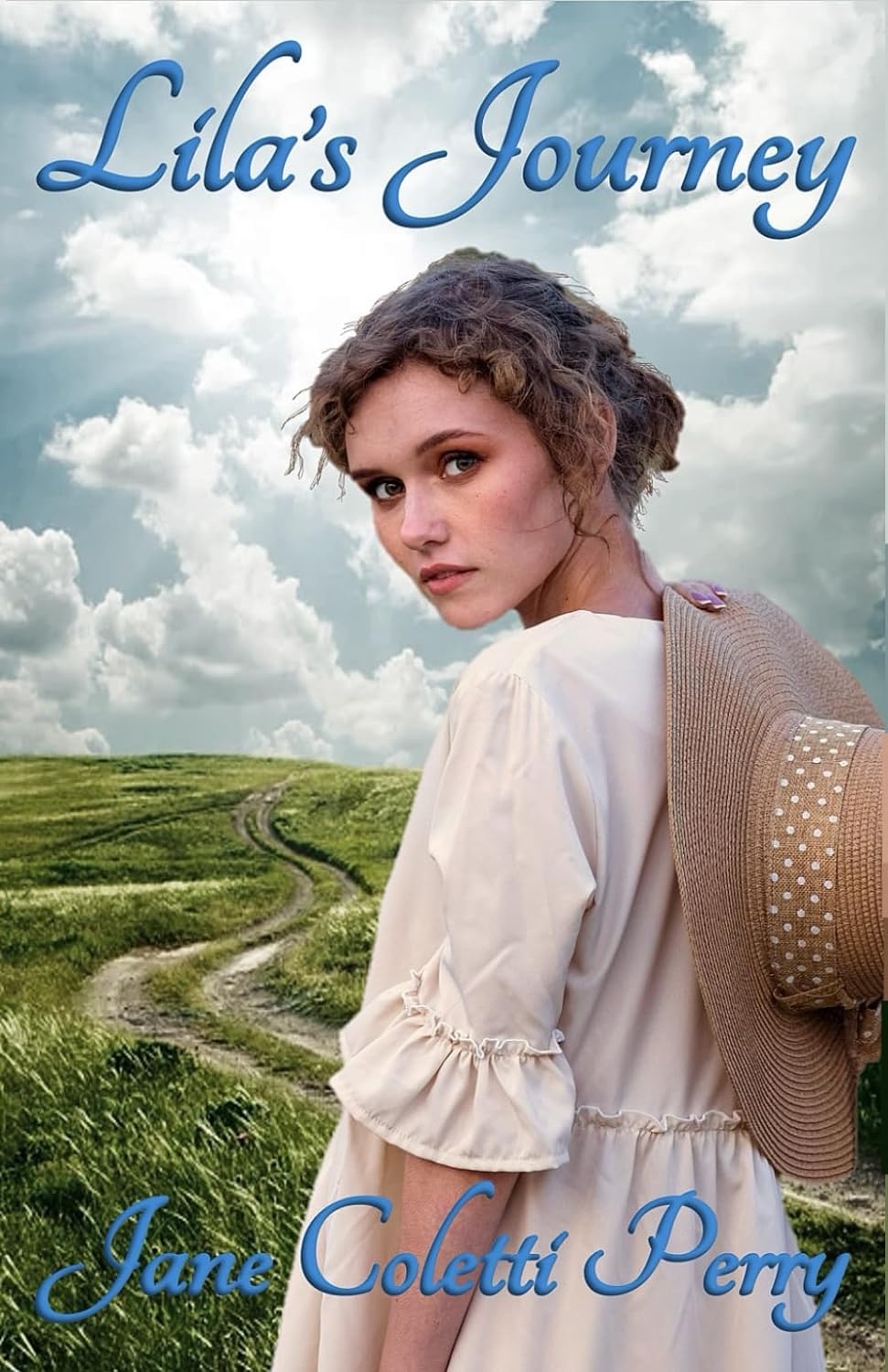
Lila’s Journey by Jane Coletti Perry is an engrossing historical novel that takes place in 1860s, Kansas.

Lila Bonner, sixteen, must leave her widowed father out of fear and desperation. She travels by stage coach along the Santa Fe Trail. In Council Grove, Kansas, she manages to find a job at a boarding house which gives her a place to sleep and eat.

John Reynolds has accepted a position as teacher in a new schoolhouse in Council Grove. Lila and John first met in her home town and happen to travel on the same stage to Council Grove. John is enchanted with Lila, but his life becomes complicated when a young woman from his past appears unannounced.

Lila faces many challenges in her new environment, but is determined to make her own way. She bravely deals with mere survival, barely earning enough money to meet basic needs. Life in Council Grove is not easy with Indian unrest and an epidemic, but Lila becomes a part of the community, makes friends, and is thrilled with a promising romance. Her blossoming life is suddenly threatened by an evil betrayal. Will she have the strength to fight this challenge, and does she have to face this fear alone?

Lila’s Journey is a realistic novel of depth. The author’s vivid descriptions of the attitudes and mindset of the times makes the story come to life. I thought Lila’s situation believable—a young woman, sixteen, having to make life-changing decisions. This novel would be of interest to teens and adults.